
Custom Mailer Boxes,
Engineered for the Unboxing
A mailer box does two jobs: survive transit and sell the unboxing. We engineer both — with structural data behind the first and finish options behind the second.
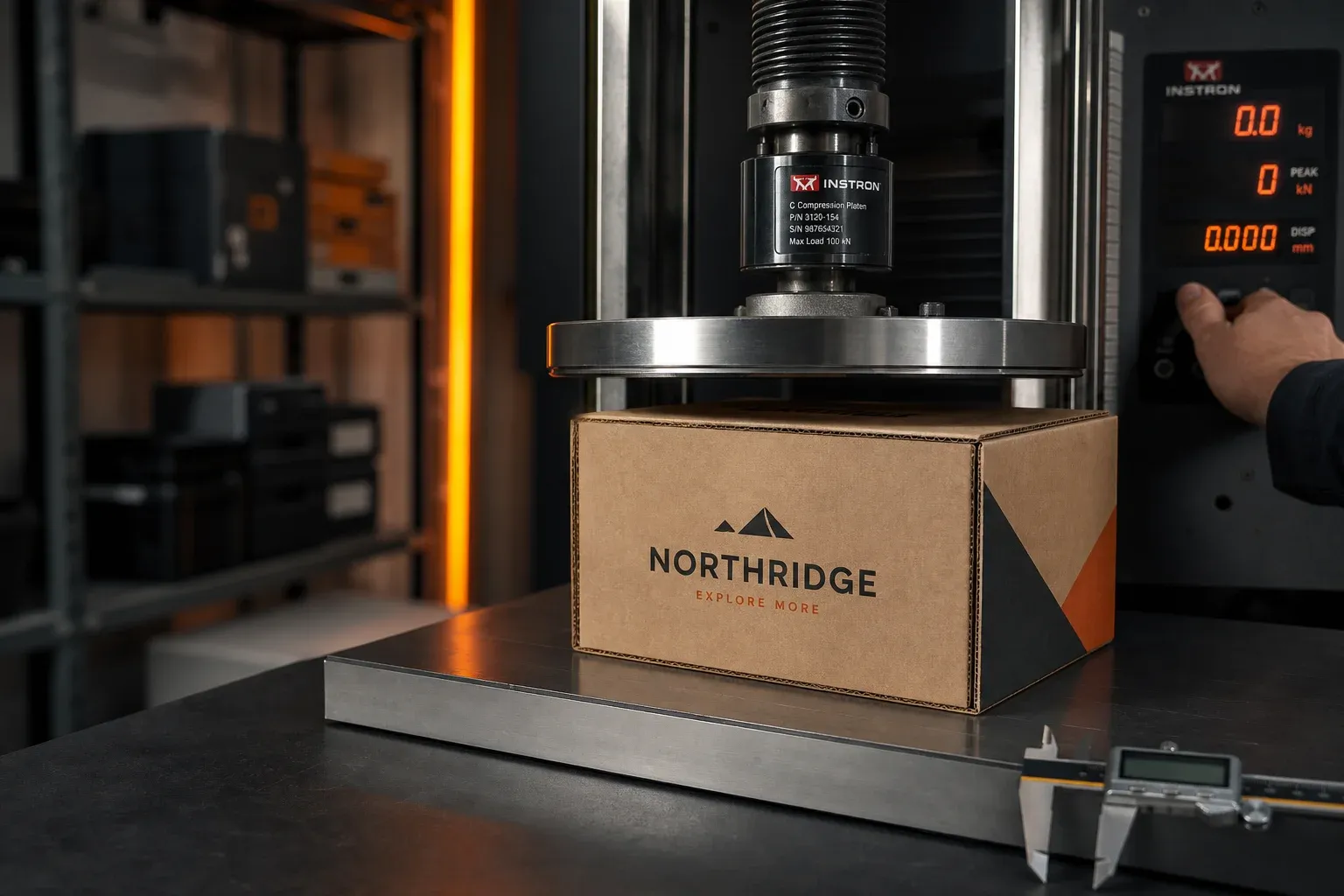
Why "Just a Box" Costs More Than You Think
CLAIM EROSION
Damaged-in-transit claims erase margin faster than the box ever saved it. One crushed carton in a hundred can wipe out the cost difference between a cheap mailer and a properly engineered one — before you count the refunded orders and the review that follows. A damaged carton also costs the review it never had: the customer photographs the crushed box, not the product it protected.
DIM WEIGHT
Oversized boxes inflate dimensional weight — and your freight line. Carriers bill on the larger of actual or volumetric weight, so a box that is 20% too big silently raises every shipment's cost for the life of the SKU. Dimensional weight punishes empty space: a mailer sized to the product, not to habit, is a permanent freight discount.
BRAND SIGNAL
A plain kraft unboxing quietly downgrades a premium product. The box is the first physical touchpoint your customer holds — and for DTC orders, often the only branded object that ever reaches their hands. The unboxing is the one ad your customer opted into; spend it like media, not like packing material.
Data anchor — dimensional weight: USPS bills on divisor 166 for Priority Mail dimensional weight; UPS and FedEx use divisor 139. (Source: USPS dimensional weight rules, UPS/FedEx rate tables — public carrier standards.) ECT: graded per TAPPI T-811 — a number means nothing without its standard. ECT is a board property, not a box property — flute geometry and closure convert it into real crush resistance.
Inside the Lab: How a Mailer Box Earns Its ECT
The board: kraft vs white vs coated
The liner you print on decides how far the box can carry your brand. Natural kraft reads honest and outdoorsy but caps print vibrance. White liner is the workhorse for clean CMYK. Coated (clay-coated) liner approaches the surface quality of folding cartons — the option to choose when the mailer is the product's storefront. Each trades against cost and strength; we match the combination to the product, not to a catalogue. Kraft's honesty is also its ceiling; coated liner's cost is its check — both are legitimate answers to different brand questions.
The flute: B vs E
The corrugated core is the box's suspension system. B flute (~3 mm) absorbs impact and carries mid-weight product over long hauls. E flute (~1.5 mm) offers a flatter printing surface and suits lighter, print-led SKUs. Fragile or heavy items move up to double-wall constructions. Choosing the flute by product weight and route — not by habit — is the difference between a box that survives and one that claims to. Flute, board weight, and closure all interact with the die-line, which is why we spec the structure as a system rather than selling a box.
The tests: ECT, drop, opening force
Three numbers decide whether a mailer earns its spec. Edge crush test (ECT) measures compression strength of the board — the resistance to stacking and crush. Drop testing follows ISTA protocols (1A/2A/3A) to simulate the parcel-carrier journey. Opening force calibrates hinge tension so the box opens with a consistent pull instead of a fight. A claim only means something when the standard is named: which ISTA level was run, what pass criteria were set, and whether the report comes from a certified lab. Ask any supplier for the ECT standard and the ISTA report — a supplier who tests will share both without hesitation.
The print: CMYK on corrugated
Offset CMYK prints direct on the liner; the finishing layer decides the feel — matte lamination, selective UV, or foil stamping on corrugated each have their boundaries and their alternatives. We state what the board can honestly hold before we promise it on a proof, so the sample matches the render. A proof is only honest if the substrate can hold it — we say no to a finish the board would reject before we say yes to an order.
Spec sheet · engineering series
ECT (edge crush):    TAPPI T-811 — ask for the standard, not just the number
DIM weight factor:   USPS 166 · UPS/FedEx 139
Opening force:       calibrated hinge tension, consistent pull
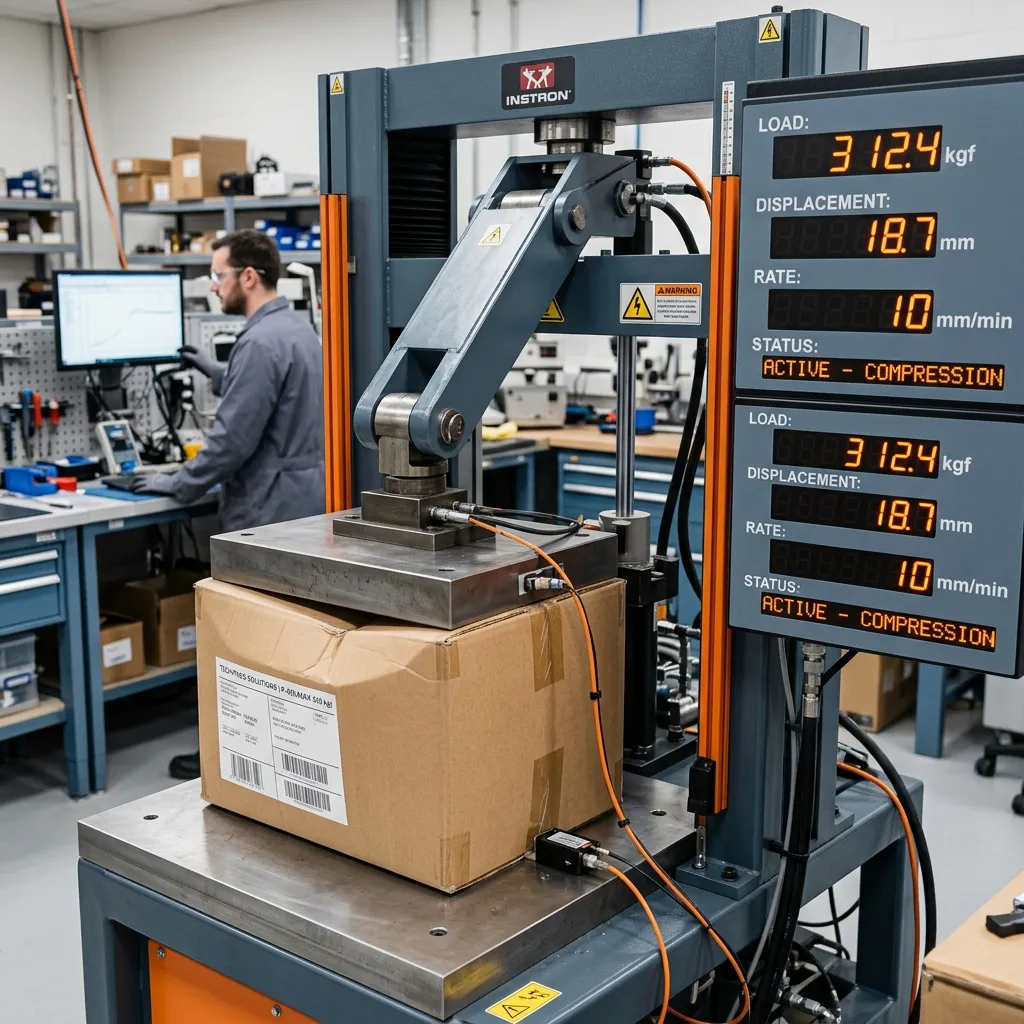
Board evaluation at the bench — flute and liner structure under inspection (materials reference). Strength is graded by ECT; ask any supplier for the standard and the report.
Strength is a spec, not a vibe. We speak the same language you use to audit suppliers — ask us the hard questions.
Corrugated, Rigid, or Plain Shipping Box: Which One Is Yours?
Three structures ship product every day, and they are not interchangeable. The table below is the short version of the decision; the footnote is the honest one — the right structure depends on your product weight, your margin, and whether the box is part of the experience.
| Dimension | Corrugated Mailer | Rigid Mailer | Plain Shipping Box |
|---|---|---|---|
| Structure | Corrugated, foldable, lightweight | Greyboard wrapped, heavy, non-foldable | Single-wall corrugated, no print face |
| Protection | High — graded by ECT (ask for the standard) | Very high | Basic |
| Print quality | Good (coated liner optional) | Premium | None |
| Unit cost | Mid | High | Low |
| Unboxing experience | Atmosphere at the best economics | Ceremony ceiling | None |
| Best for | DTC / subscription / crowdfunding | Jewelry / premium gifting | Warehouse-internal logistics |
When the ritual matters more than the route, the rigid mailer is the rigid mailer box alternative worth pricing — see the Gravity series for the structural and cost data side by side. The honest footnote: corrugated wins on economics for recurring DTC volume; rigid wins where the ceremony is the product.
Three Businesses, Three Mailer Strategies
SUBSCRIPTION
Recurring unboxing is the retention moment — every shipment is a brand touchpoint that lands in the same hands, month after month. Structure and print get engineered for repeat openings, not a single debut. Volume is stable, so the engineering pays off across every cycle — the same die-line serves hundreds of thousands of openings.
Subscription box playbook →CROWDFUNDING
First impression decides post-campaign reviews. The mailer needs crush resistance for the density of the launch wave and opening tension that rewards the backer's wait — one shot, thousands of witnesses. The launch wave is itself a stress test: pallet stacking, hub transfers, and thousands of first impressions in the same week.
Crowdfunding launch lab →DTC BOUTIQUE
For many DTC brands the box is the only physical brand asset the customer ever holds. Material and print quality lead the decision; the flute hides behind them doing the real work. Volume is smaller and scrutiny higher — the box must earn its place in the unboxing video and justify its line on the P&L.
DTC boutique packaging →Mailer Box Quick-Fit: Size × Structure × Minimum
Three questions, thirty seconds, one honest starting point. The tool narrows your band; our engineers confirm the final structure against your drawings before anything is quoted. It is deliberately blunt — it exists to start the conversation with the right structure, not to replace engineering.
Preliminary sizing only — final structure confirmed against your drawings by our engineers.
Shipped, Dropped, Delivered: Field Notes
No stock renders, no borrowed portfolios — these are records from our own bench and our own runs. The notes state what the image verifiably shows, nothing more. Every image carries the project record behind it — structure, board, finish — so what you see is what the order was. The same record-keeping applies to every quote: structure, board, and finish are written down before they are promised.
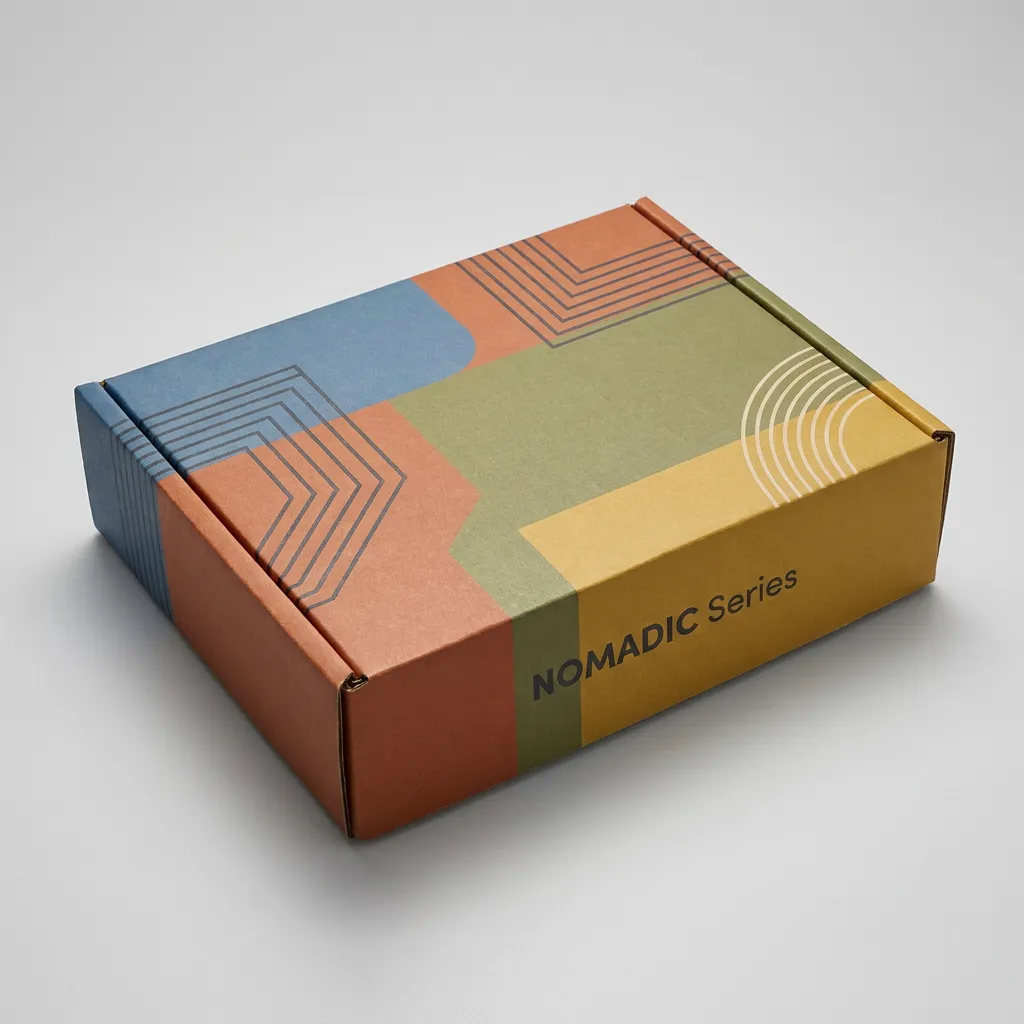
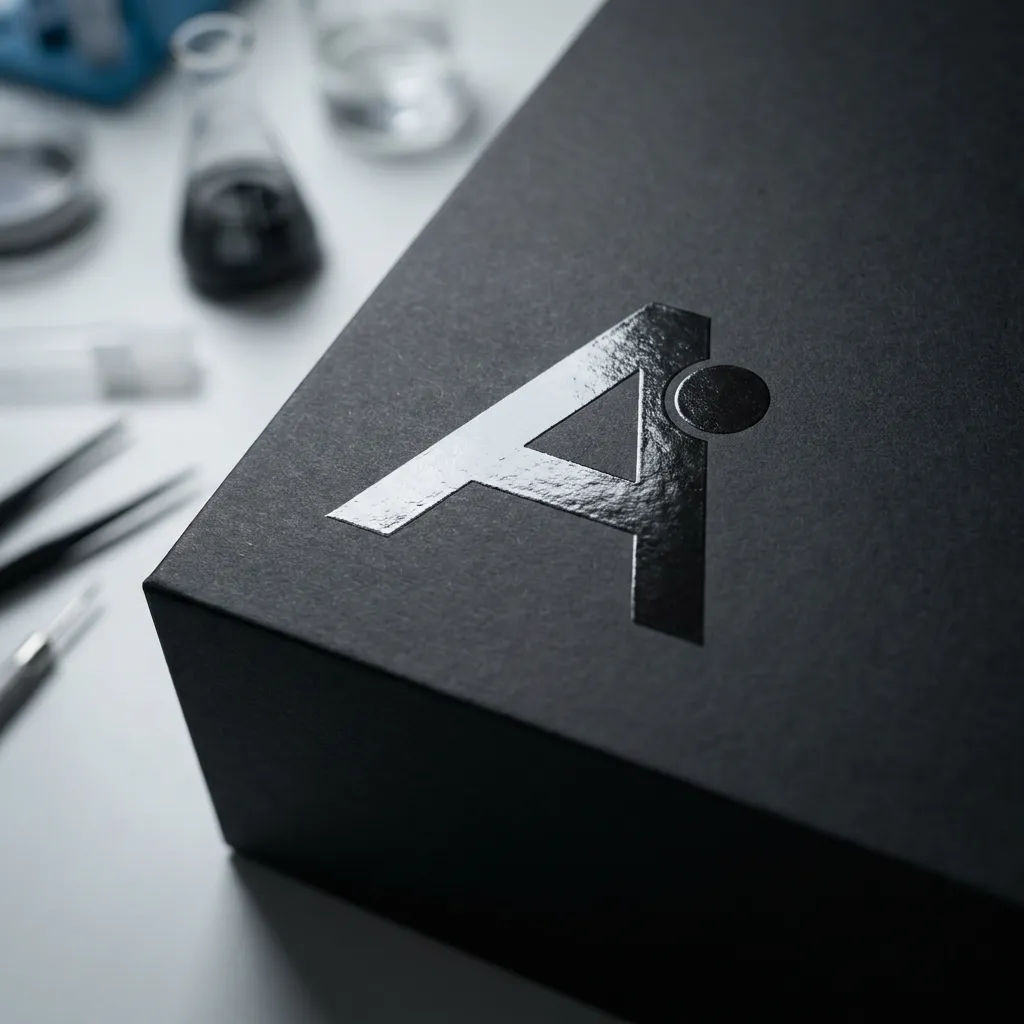

Field notes correspond to verifiable project records — no fictional endorsements. Full series work: browse the Selected Series gallery.
Mailer Box Questions, Answered
The seven questions buyers actually ask us, in the order they come up in a quote call.
What is the difference between a mailer box and a shipping box? +
A shipping box does one job: moving cargo to a dock or warehouse floor. A mailer box does two: surviving the carrier network and opening in front of a customer. That second job changes the spec sheet. Mailers carry a printable outer liner (kraft, white, or coated), a flute grade matched to product weight, and a closure engineered for repeated handling. They cost more per unit than a plain shipping box — which is exactly why structure and dimensional weight deserve a calculation, not a default.
Are rigid mailer boxes worth the extra cost? +
Yes when the box is the brand moment — jewelry, watches, gift sets, or high-ticket unboxing content. No when the product ships frequently at low value and margin is thin. A practical threshold: if opening the package is part of the product experience and the unit price justifies premium packaging, rigid pays for itself. Otherwise a coated corrugated mailer delivers comparable protection at a fraction of the cost, with better economics for recurring orders.
What flute grade should I use for custom mailer boxes? +
E flute (~1.5 mm) gives the smoothest printing surface and suits lightweight, print-led products under roughly 2 kg. B flute (~3 mm) absorbs more shock and is the workhorse for mid-weight products and longer hauls. Fragile items or heavy SKUs push you toward double-wall constructions. As a rule: print quality first and light product — E flute; protection first, mid-weight — B flute; fragile or heavy — double wall. We confirm the grade against your product weight and shipping route before quoting.
Can you do custom mailer boxes with low minimums? +
Yes. Digital printing removes plate setup fees, so minimums drop to the 50–500 unit range for printed mailers, and stock packs with custom labels go lower still. That makes custom packaging under 500 units realistic for first orders and market validation — see our low-MOQ route guide for the numbers.
How long does a custom mailer box order take? +
Working samples ship in 3–5 days via express courier after we confirm the structure. Production takes about 15 days after artwork approval, with photo updates every two days. DDP door-to-door delivery then adds roughly 10–15 days to the US, EU, and UK, and 12–18 days to Australia. The quote states per-destination lead times up front — not after you order.
What does DDP shipping mean for my mailer box order? +
DDP — Delivered Duty Paid — means the quoted price covers production, freight, import duties, customs clearance, and last-mile delivery. The number we quote is the number you pay, with no surprise customs invoice at the border. For mailer orders this collapses the landed-cost calculation into a single line, which is how we compare overseas production against domestic quotes honestly.
Do you offer samples before bulk production? +
Yes — samples come first, always. Send your product dimensions and quantity, and we ship a working sample of the structure and finish so you can feel the board, the print, and the opening action in your own hands. The sample cost is credited back toward the production order.
Related Reading
The mailer decision rarely ends at this page. These reads go deeper into each fork in the road.
Custom packaging under 500 units: three routes that work LIVE
Mailer vs rigid boxes: which structure fits your brand LIVE
How mailer box strength is tested LIVE
Mailer box size guide: dimensions that save on shipping LIVE
Subscription box packaging: a retention playbook LIVE
DDP vs FOB for packaging orders
The delivery · DDP inclusive
Get the DDP-Inclusive Quote. Sample First.
Send us your product dimensions and quantity — we reply with a landed-cost quote, duties included. No commitment until you hold a sample. Duties, clearance, and last mile are handled on our side; the quote is the total, and the sample is the proof.
Start Your Mailer Box ProjectISO-grade QC · DDP to US/EU/UK/AU · Samples before bulk