
Foil Stamping vs Embossing:
Metal or Relief
Foil stamping adds metal where you want light; embossing adds relief where you want touch. They answer different questions — and on a premium box lid, the answer is usually both.
Both processes change the surface with a die rather than with ink, which is why they read as engineered rather than printed. The choice is not about quality: it is about which moment you are designing for. A customer sees foil before they touch the box; they feel embossing only after the box is in their hands.
Signal
Foil = reflected light. Emboss = physical relief.
Tooling
Foil runs a heated die plus consumable foil; emboss runs a matched male/female die pair.
Combined
A combination die does both in one pass — foil sitting on raised relief.
What each die actually does to the sheet THE MATRIX
Pick by moment: seen first or felt first THE LIMITS
Where each one stops working
Two dies, two different jobs
Foil stamping is a transfer process. A heated metal die presses a carrier film against the sheet; the foil's release layer lets the metallic pigment detach exactly where the die touches, and the adhesive underneath bonds it to the board. What stays behind is pigment, not ink — which is why a stamped area reflects light like a thin sheet of metal instead of a printed metallic colour.
Embossing is a deformation process. A male and female die close around the sheet and push it out of plane, so the artwork becomes a ridge. Nothing is added: the mark is relief in the board itself. Run the same tooling with the dies reversed and you get debossing, where the mark sinks instead.
That difference decides the failure modes. Foil is judged by edge sharpness and coverage — a die that is too hot spreads, one that is too cold leaves pinholes. Embossing is judged by depth and definition against the board's thickness; push too deep into a light board and the mark telegraphs through to the inside face.
What a buyer sees and feels
Both finishes survive handling better than print because neither is a layer of ink sitting on the surface. The trade-off is tooling: ink is cheap to vary, dies are not.
01
Foil reads at distance
Gold, silver, copper or holographic pigment catches light from across a room, which is why foil carries the brand mark on retail-facing panels and e-commerce hero shots.
02
Emboss reads at arm's length
Relief needs raking light or a fingertip. It rewards the unboxing moment rather than the shelf moment.
03
Blind emboss is the quiet option
Relief with no colour at all — the mark exists only as shadow and touch, which suits restrained brands and uncoated stocks.
04
Foil emboss is the loud option
Metallic pigment on a raised ridge compounds both signals in one pass, and is the usual choice for a rigid box lid.
Which boards take which finish
Both processes work on the papers and boards that packaging is actually built from, but the surface texture underneath changes the result more than most buyers expect.
- — Coated and laminated surfaces (art paper wraps, matte or gloss film) give foil its cleanest edges — a smooth substrate lets the pigment release evenly.
- — Uncoated kraft and textured stocks take embossing particularly well: the fibre structure makes relief read deeper, while the same texture can scatter a foil edge and make fine detail fill in.
- — Corrugated is a different animal — an uneven liner and an air gap behind it both work against fine foil lines and shallow relief, so corrugated usually takes bolder, larger marks than a rigid box would.
- — Rigid boxes give the most freedom because the wrap is a separate sheet applied over grey board: foil and emboss are applied to the wrap before it is mounted, so tooling can be as fine as the paper allows.
What actually moves the cost
Neither finish is priced by the square metre you can see. Both are priced mostly by the tooling and the make-ready behind them, which is why the same artwork can be cheap on a long run and expensive on a short one.
01
Die and make-ready
A foil die and a matched emboss die pair are separate tooling, and each one carries a setup on press. Tooling is a fixed cost: it is amortised over the run, so it dominates short runs and fades on long ones.
02
Foil consumption
Foil is a consumable, billed by the area actually stamped plus the film wasted between images. Coverage area, not artwork complexity, is the main lever — a large block of foil costs more than a thin line.
03
Number of passes
Foil alone is one pass; emboss alone is one pass; foil-on-relief needs a combination die. Every additional pass adds setup time and registration risk between passes.
04
Registration tolerance
Stamped marks must land on the artwork your designer drew. Tightening tolerance against a printed background costs more than stamping into open space, and complex registration is the most common reason a quote moves.
05
Board weight
Embossing depth is limited by the thickness of the sheet. Deeper relief forces a heavier board, which raises material cost and, on rigid boxes, wrap waste.
The decision matrix: pick by moment
| Decision | Foil stamping | Embossing | Both (combination die) |
|---|---|---|---|
| The mark must be seen before it is touched | Yes — reflected light is the whole point | No — relief needs raking light or touch | Yes — metal on relief catches light from any angle |
| Uncoated or textured stock | Careful — texture scatters fine lines | Strong — fibre makes relief read deeper | Works best as a bold, large mark |
| Fine detail in the artwork | Holds well on smooth, coated surfaces | Needs relief width or it disappears | Detail is limited by the emboss side |
| No metallic colour allowed by the brand | Wrong tool | Blind emboss is the restrained answer | Use a tonal foil or expect a metal mark |
| Short first run, tight budget | Tooling plus foil consumable | Tooling only, no consumable | One pass, but two tooling items |
| Corrugated shipping box | Bold marks only | Avoid fine relief across flutes | Not recommended outside large panels |
Where each one stops working
Both finishes have hard boundaries. Knowing them before artwork is finalised is the difference between one press approval and three.
- — Foil cannot reproduce a gradient or a photographic tone — it is either metal or it is not there. Anything needing tonal range belongs in print, with foil reserved for a solid mark.
- — Very fine strokes and small type break up: the pigment needs a minimum stroke width and a minimum gap between strokes to release cleanly and stay bonded.
- — Embossing over a laminated sheet can crack the film if the relief is deep; the practical order is to emboss before the film goes on, or to keep the relief shallow on laminated panels.
- — Deep relief on a thin board shows through on the inside face. On a rigid box that is visible when the lid is lifted, so depth is usually balanced against what the interior will reveal.
- — Both processes are unforgiving about registration between passes. If the mark must sit exactly inside a printed frame, budget for tighter tolerance rather than discovering it on press.
Where these finishes go to work
The same two finishes show up on very different structures. These are the builds where each one earns its keep — open a spec sheet to see the board, MOQ band and lead time behind it.
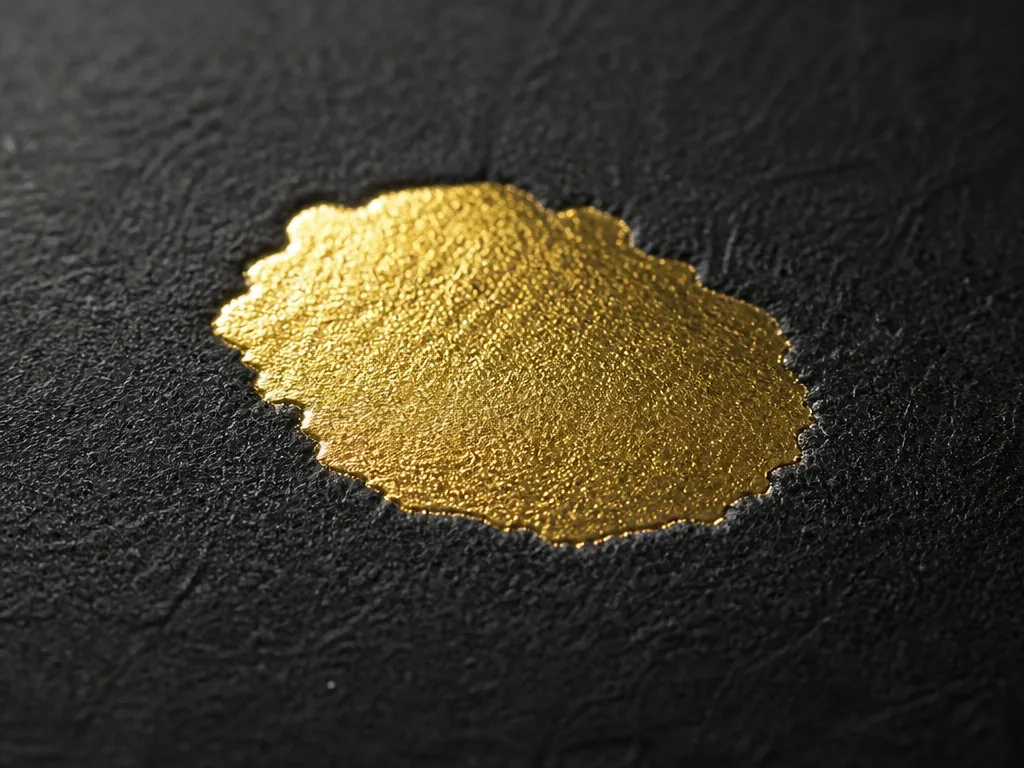 01
Hot Foil Stamping
Applied finish
A heated die presses a metallic foil into the sheet, leaving a mirror-sharp metallic mark that reads as jewellery rather than print.
Read the finishing guide →
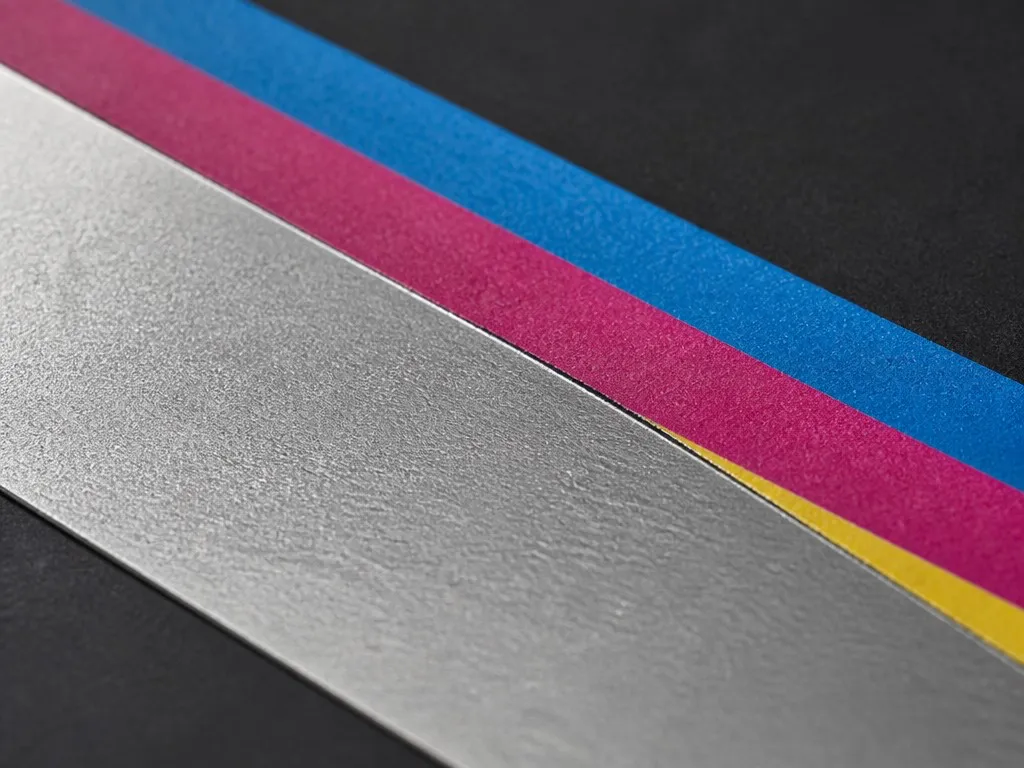 02
Cold Foil Transfer
Applied finish
Foil is transferred onto wet adhesive during printing, so metallic artwork rides along with the CMYK pass instead of a separate heated pass.
Read the finishing guide →
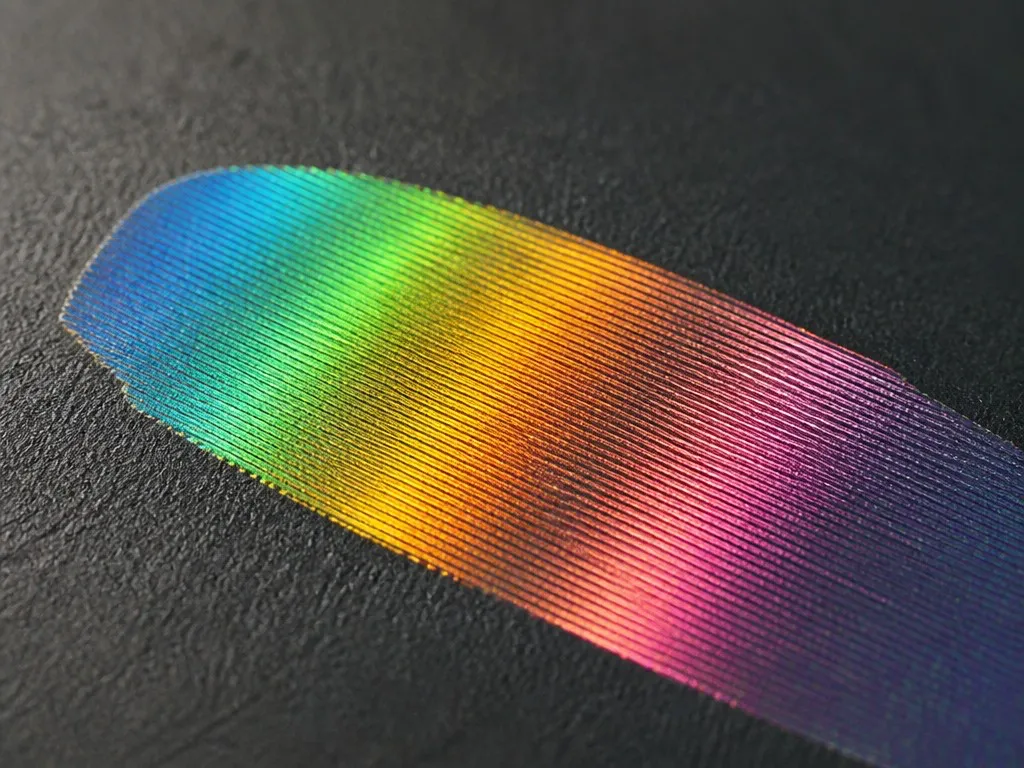 03
Holographic & Rainbow Foil
Applied finish
A patterned foil splits the light into a shifting spectrum, giving a brand a surface that cannot be reproduced by CMYK alone.
Read the finishing guide →
Structures that take this finish
Premium Magnetic Rigid Box
The structure most often ordered with foil on the lid and a blind emboss inside.
Luxury Magnetic Gift Box with Interior Foil Print
Foil used as an interior reveal rather than an exterior signal.
Luxury Sliding Drawer Box
Wrapped drawer where an embossed art paper wrap carries the relief.
Foil stamping vs embossing, answered
Can foil stamping and embossing be done in one pass?
Yes — a combination die does both at once, which is why foil-on-relief is the standard treatment for a premium logo rather than two separate operations. It is still two pieces of tooling to produce and one extra setup to run, so the saving is in press time rather than in tooling cost.
Which one should I choose for a logo on a rigid box lid?
If the box must sell from a photograph or a shelf, foil carries further because it reflects light. If the brand is restrained and the box is opened in the hand, a blind emboss often reads as more expensive precisely because it says less. Where the budget allows one operation, a combination die is the usual compromise.
Does embossing work on corrugated board?
It works, but the flutes underneath make fine relief unpredictable, because the liner has an air gap below it rather than a solid backing. Corrugated embossing is therefore usually restricted to large, simple marks on flat panels, and foil on corrugated is best kept bold for the same reason.
Can I emboss over lamination?
You can, but the film is the limiting factor: deep relief can crack a thin laminate, and the crack shows as a white line along the ridge. The safer order is to emboss the printed sheet first and laminate afterwards, or to keep the relief shallow if the film must go on first.
Which costs more — foil or embossing?
It depends on what you are buying, which is why both are quoted from drivers rather than from a rate. Foil adds a consumable (the foil film) to the tooling; embossing adds a matched male and female die to the tooling but no consumable. On short runs tooling dominates and the two are close; on long runs foil consumption and coverage area become the deciding line item.
Two finishes, one decision
Send us the artwork — we will tell you which die it needs
Structure, board, finish and DDP freight in one landed quote. If a mark is better stamped than printed, that is what the quote will say.
Keep reading
Foil Debossing: Metal Below the Surface
The combination process in detail — one pass, two effects.
Foil Stamping Cost: What Actually Drives the Quote
The cost-driver breakdown behind every foil line item.
The Finishes Lab
BrandPackagingLab — Lab Engineering Desk. Finishing notes written from the production floor: what each process does to a surface, what it costs, and where it stops working.
Standard definitions: TAPPI T-811 · ISTA series (public standards). Material and finish options follow the published master data for each structure.