
Packaging Finishes, Explained by the People Who Apply Them
Packaging finishes are the treatments a printed sheet receives after — or in line with — the print pass, and they are chosen by which of three things the panel has to win: how it is seen, how it feels, or how it survives.
Some finishes ride along with printing: a varnish or an aqueous coat is applied on the press, and a cold foil transfer is pulled down in the same run as the artwork. Others are a separate pass — a heated foil die, a laminated film, a relief impression — each with its own setup, its own tooling and its own registration tolerance against everything already on the sheet. The choice is rarely about quality and almost always about which axis the panel has to win. Visual finishes change how the surface carries light at arm's length. Tactile finishes change what a hand reads at the moment of opening. Protection finishes decide how the first two look when the box arrives. Read this page as a map of that library, then follow the one finish your brief actually depends on.
FINISHES ON FILE
34 surface processes across 4 axes
WRITTEN GUIDES
7 decision guides, linked from every card
HOW TO USE IT
Read the axis, then open the guide behind the finish
This is the index page for the finishing library, not a product page. Read it in order and you get three things: the axes that decide which family of finish you are shopping in, the combinations that are routinely specified together, and the substrates that quietly rule options in or out. Every finish named here has its own entry in the archive — definition, boards it suits, cost drivers — so use this page to narrow the field and the individual entries to brief a supplier.
A finish is any treatment applied to a sheet or a board for a reason other than carrying the image: a film, a coating, a transfer, a deformation, an edge treatment, or a printed ink with behaviour of its own. The important habit is to decide finishes with the structure rather than after it. A rigid wrap is printed and finished as a flat sheet before it is mounted to grey board, a folding carton is finished and then cut and folded on a die-line, and a corrugated liner has an air gap behind it that changes how relief or a foil line behaves. Change the structure and you have changed the substrate the finish sits on, which is why finish decisions that arrive late rarely survive intact.
The same finish also behaves differently on coated and uncoated stock, and this is the most misunderstood line in a finishing brief. A coated or laminated surface is smooth, so a foil releases cleanly and a selective gloss lands exactly where it was printed. An uncoated kraft sheet is fibre, so it drinks a coating unevenly, scatters a foil edge and softens fine relief — while making the marks that survive read deeper and more material-like. Neither surface is better. They are different materials, and a finish specified without that difference ends up in rework.
Visual finishes
The visual axis covers everything that changes what the eye reads at arm's length: metallic transfers, selective and all-over gloss, printed shimmer, coloured edges and interior artwork. These are the finishes that survive a photograph, which is why they carry the brand mark on retail-facing panels and hero images. They are also the finishes most easily over-ordered, because a mark that reflects light competes with every other reflective surface on the same panel.
How the surface carries light and colour at arm's length — the axis buyers notice in a photograph.
 01
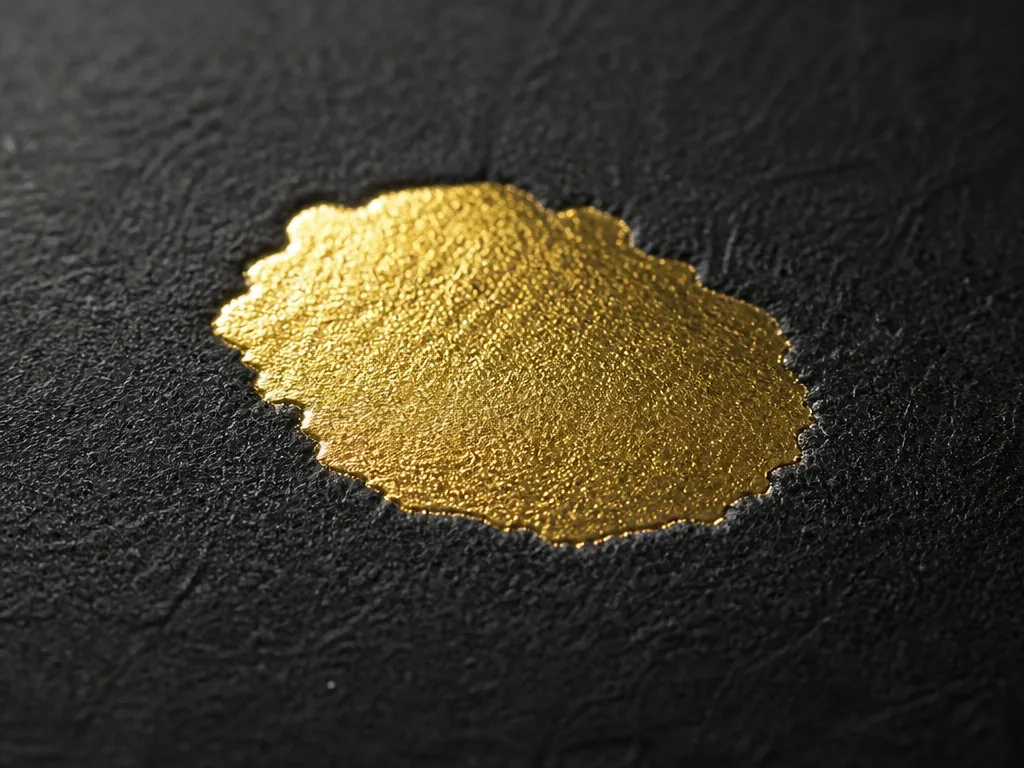
Hot Foil Stamping
Finishes archive
A heated die presses a metallic foil into the sheet, leaving a mirror-sharp metallic mark that reads as jewellery rather than print.
Read the finishing guide →
 02
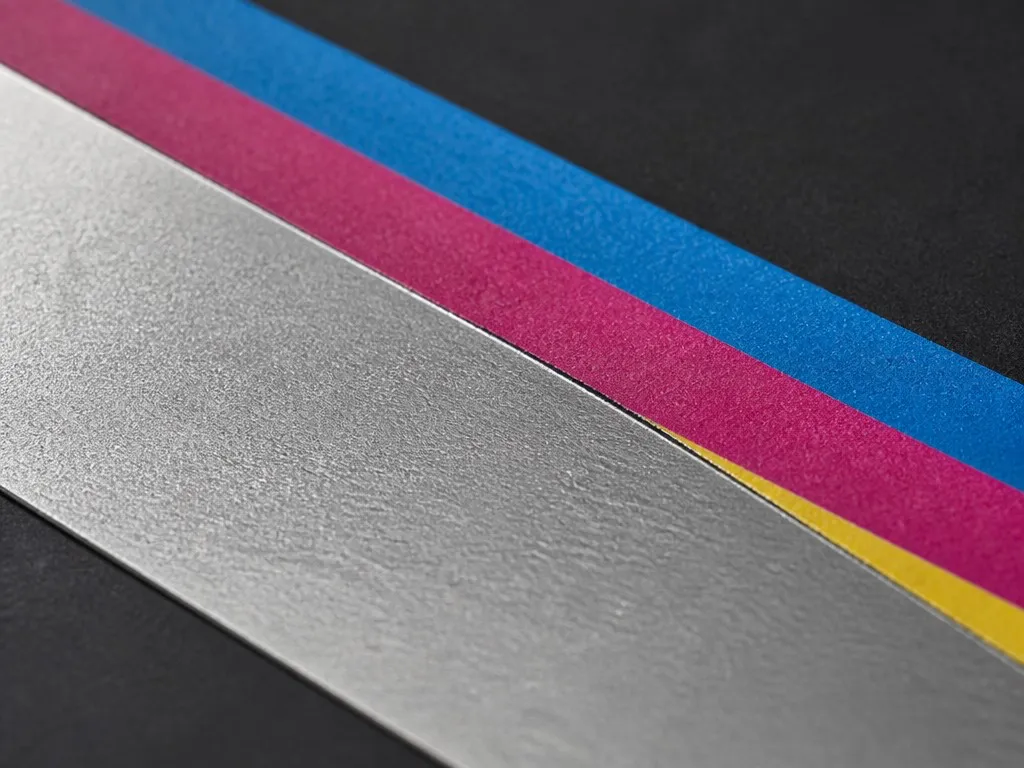
Cold Foil Transfer
Finishes archive
Foil is transferred onto wet adhesive during printing, so metallic artwork rides along with the CMYK pass instead of a separate heated pass.
Read the finishing guide →
 03
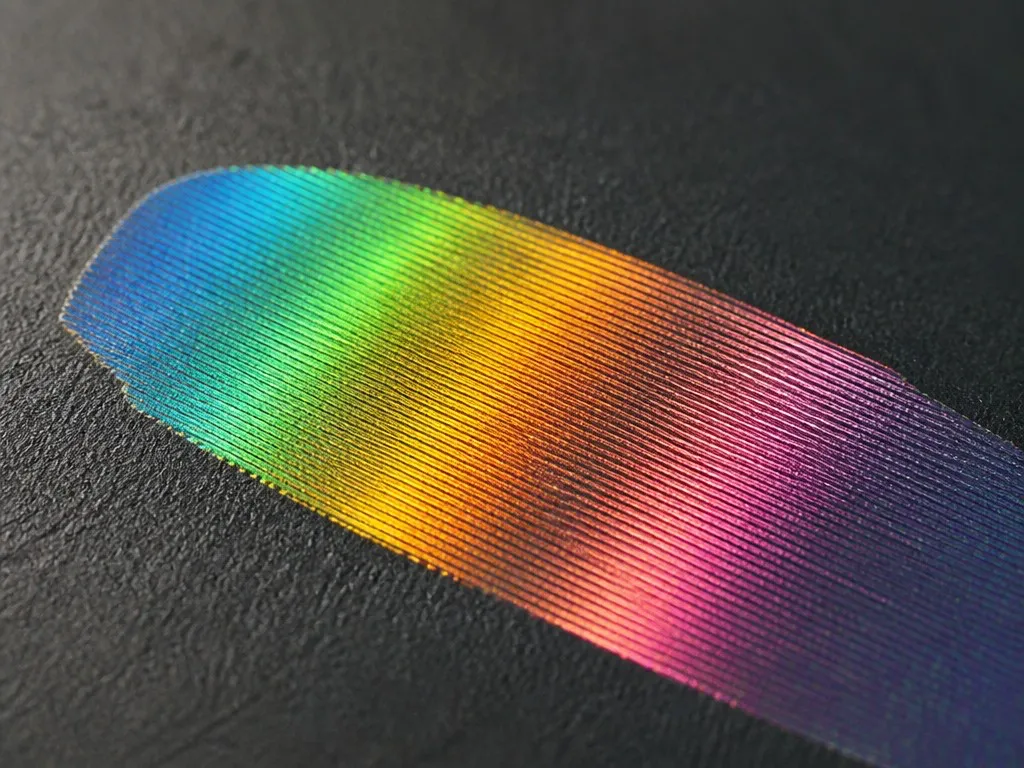
Holographic & Rainbow Foil
Finishes archive
A patterned foil splits the light into a shifting spectrum, giving a brand a surface that cannot be reproduced by CMYK alone.
Read the finishing guide →
Foil Debossing
Finishes archive
Foil and a recessed die run in one pass, so the metallic mark sits below the sheet — you feel the logo before you see the shine.
Read the finishing guide →
 05
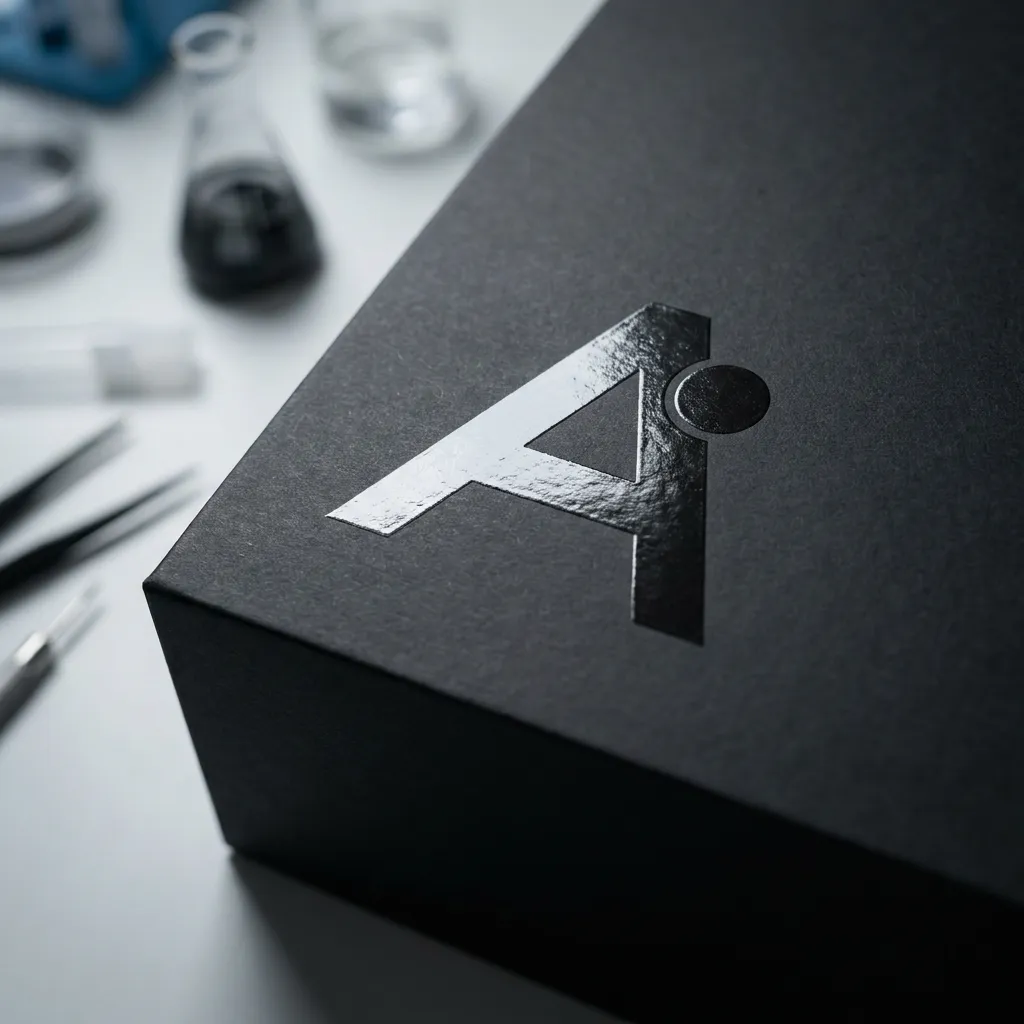
Spot UV (Selective Gloss)
Finishes archive
A clear gloss coating is printed only where you want it, so artwork sits flat and one element catches the light on a matte field.
Read the finishing guide →
Screen Printing (Thick Ink)
Finishes archive
Ink is pushed through a mesh in a heavy layer, so a spot colour reads solid and slightly dimensional instead of flat.
Guide in production
Offset CMYK Print
Finishes archive
The baseline four-colour pass handles every gradient and photograph; every other finish in this archive is built on top of it.
Guide in production
Digital Print (Short Run)
Finishes archive
Artwork goes straight from file to sheet, which is what makes a fifty-unit run of a fully printed box economically possible.
Guide in production
Flexographic Print
Finishes archive
Flexible plates print directly onto the corrugated board, the volume workhorse behind shipping-grade branding.
Guide in production
Metallic & Pearlescent Inks
Finishes archive
Metal-flake pigment inside the ink gives a surface-wide shimmer, so the whole panel glints instead of one stamped mark.
Guide in production
Specialty Inks (Reactive / Glow)
Finishes archive
Functional pigments change the surface when temperature, light or a coin touches it — a reveal mechanism, not a colour choice.
Guide in production
Edge Painting & Gilded Edges
Finishes archive
The exposed board edge is painted or gilded so a rigid box shows a coloured line the way a hardback book does.
Guide in production
Interior & 360° Print
Finishes archive
Printing continues inside the lid and along the base, so the reveal is designed rather than left as bare board.
Guide in production
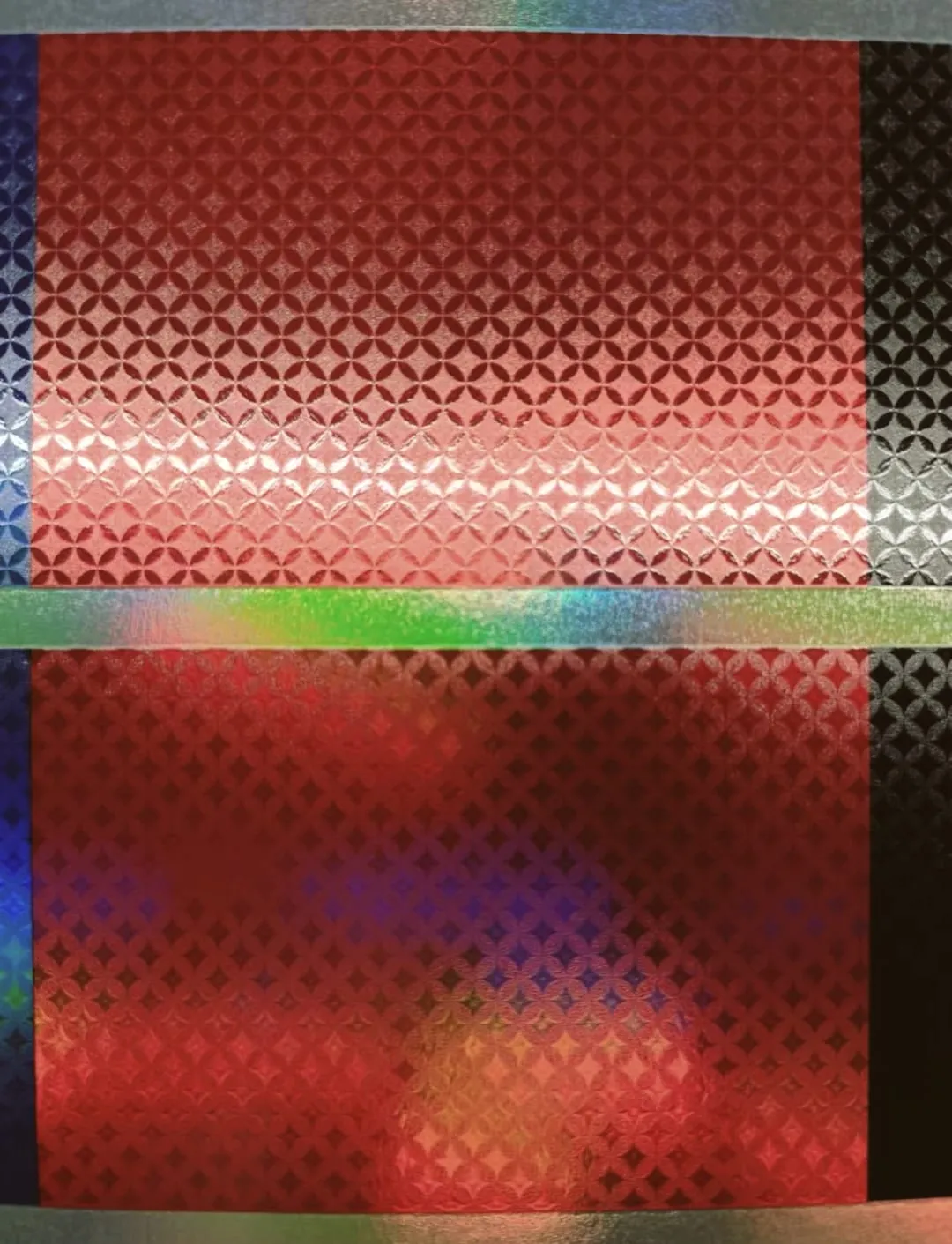 14
Reverse UV
Finishes archive
Spot UV glosses the mark; reverse UV floods the sheet in gloss and knocks the mark out in matte — the brand reads as a dry patch floating in wet light.
Guide in production
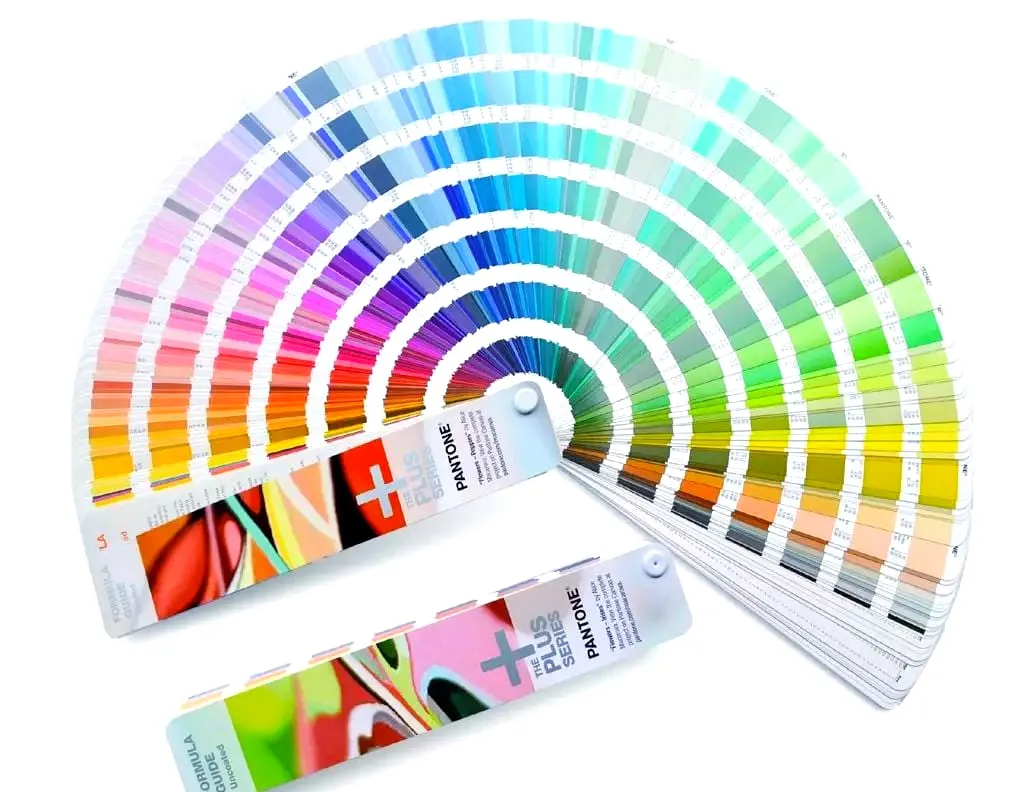 15
Pantone Spot Colour Printing
Finishes archive
A mixed ink rather than a four-colour build, so the brand colour lands the same on every unit and carries no rosette.
Guide in production
Tactile finishes
The tactile axis covers what a hand reads at the unboxing moment: films with a surface, relief pushed out of or into the sheet, fibre linings, and pits of ink thick enough to feel. These finishes are judged after the box is opened rather than before, so they are the ones that decide whether a second purchase feels the same as the first. They are also the finishes most sensitive to the substrate, because relief can only move the material that is actually there.
How the surface feels in the hand at the moment of unboxing — the axis buyers remember after the photograph.
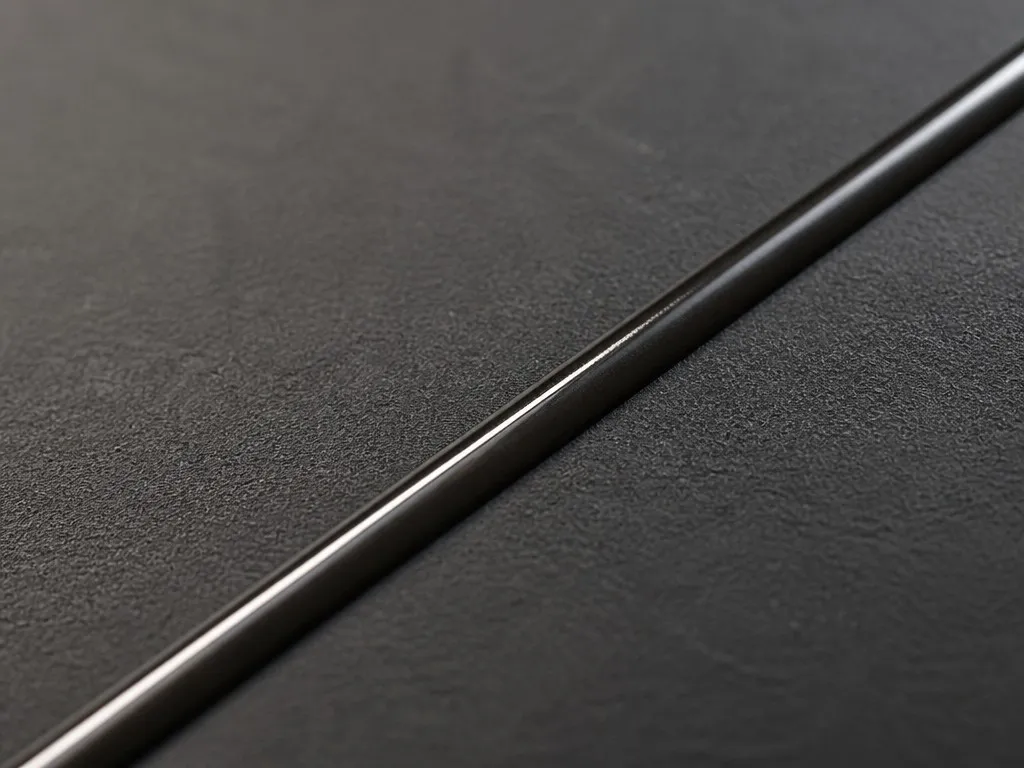 01
Raised (3D) UV
Finishes archive
Stacked UV passes build a raised line you can trace with a fingertip while the surrounding surface keeps its matte film.
Read the finishing guide →
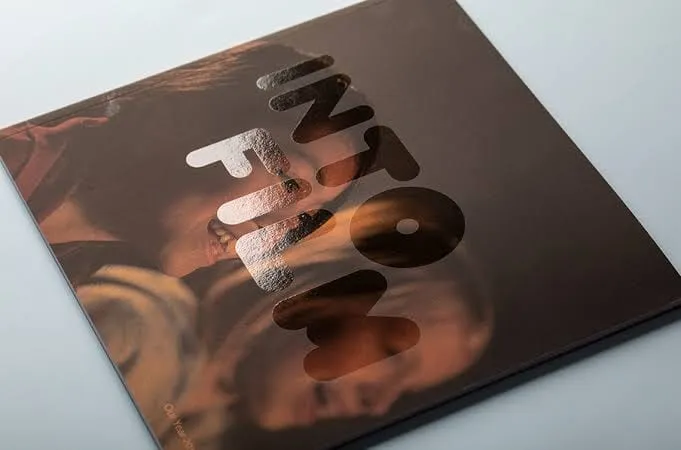 02
Soft-Touch Lamination
Finishes archive
A micro-textured film turns the whole panel into something closer to suede than paper — the first thing a customer touches.
Read the finishing guide →
Velvet Flocking
Finishes archive
Short fibres are flocked onto the lining so the interior of the box feels like a drawer in a jewellery shop.
Read the finishing guide →
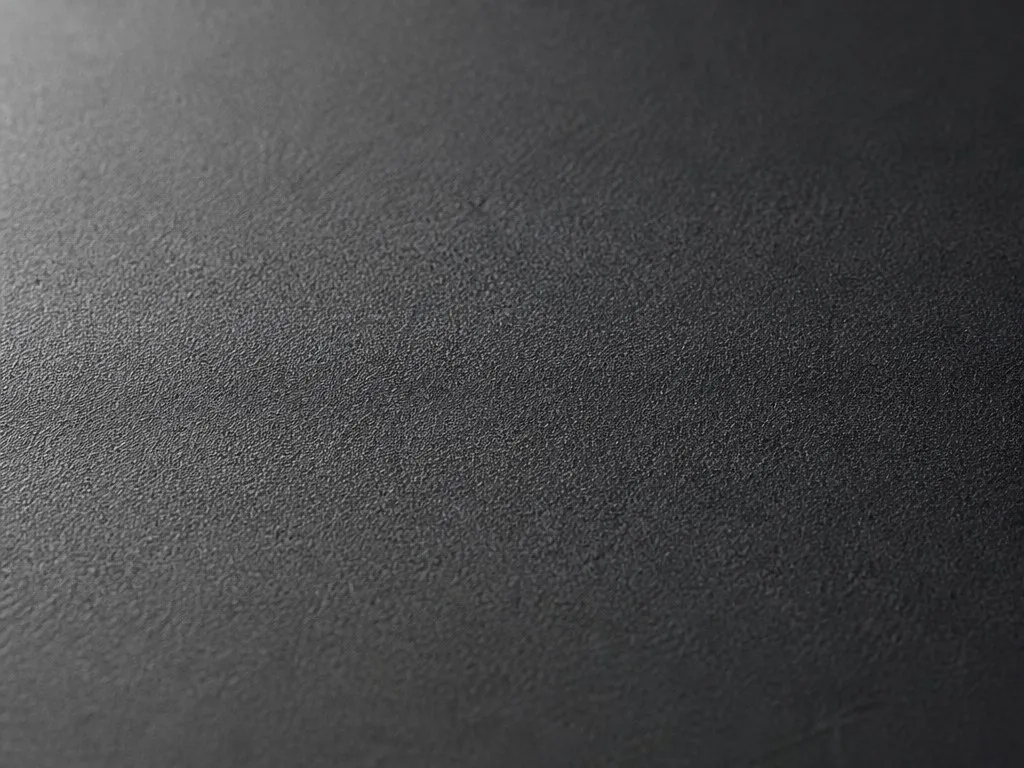 04
Matte Lamination
Finishes archive
The default professional surface: it kills glare, keeps colours honest under any light, and gives Spot UV something to contrast against.
Read the finishing guide →
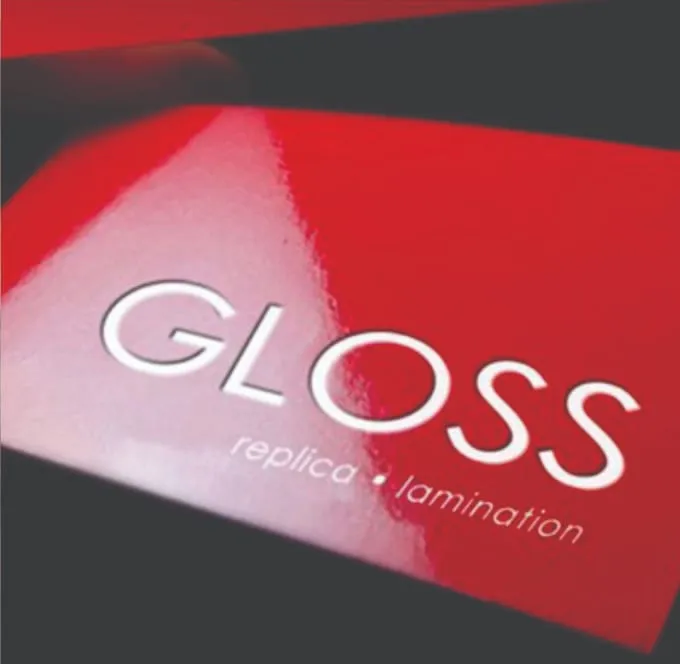 05
Gloss Lamination
Finishes archive
A glossy film boosts colour saturation and reflectivity, the cheapest way to make a printed panel shout on a retail shelf.
Read the finishing guide →
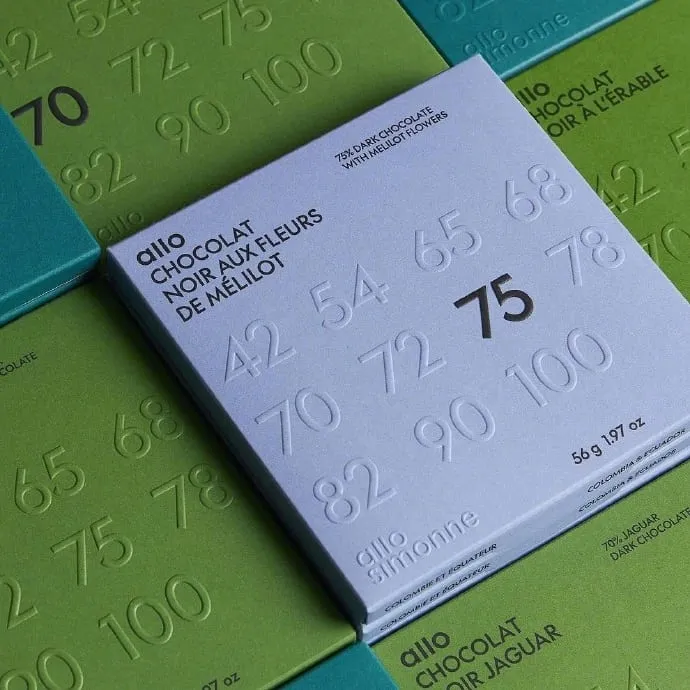 06
Embossing (Raised)
Finishes archive
A male and female die pair lifts the artwork out of the sheet, so a logo or pattern becomes a ridge you can feel in the dark.
Read the finishing guide →
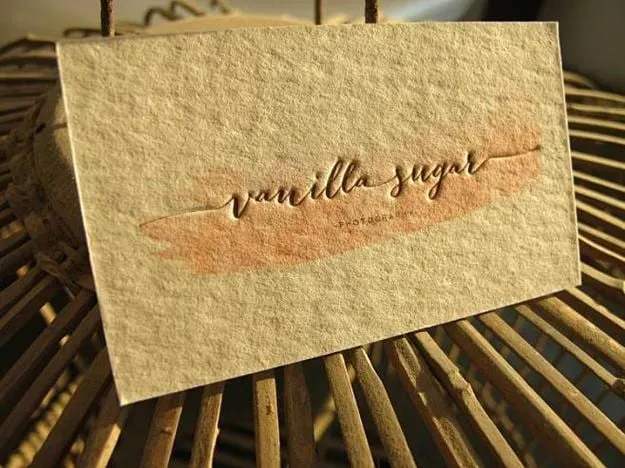 07
Debossing (Recessed)
Finishes archive
The same die logic runs in reverse: the mark sinks below the surface, which reads as restrained and survives scuffing better than print.
Read the finishing guide →
Multi-Level (Sculpted) Emboss
Finishes archive
Several depth levels in one die sculpt a mark instead of stamping a flat outline — the closest a paper surface gets to carved relief.
Read the finishing guide →
 09
Textured & Specialty Wraps
Finishes archive
The wrap paper itself carries the texture, so the box reads as bound in a material rather than printed with a pattern.
Guide in production
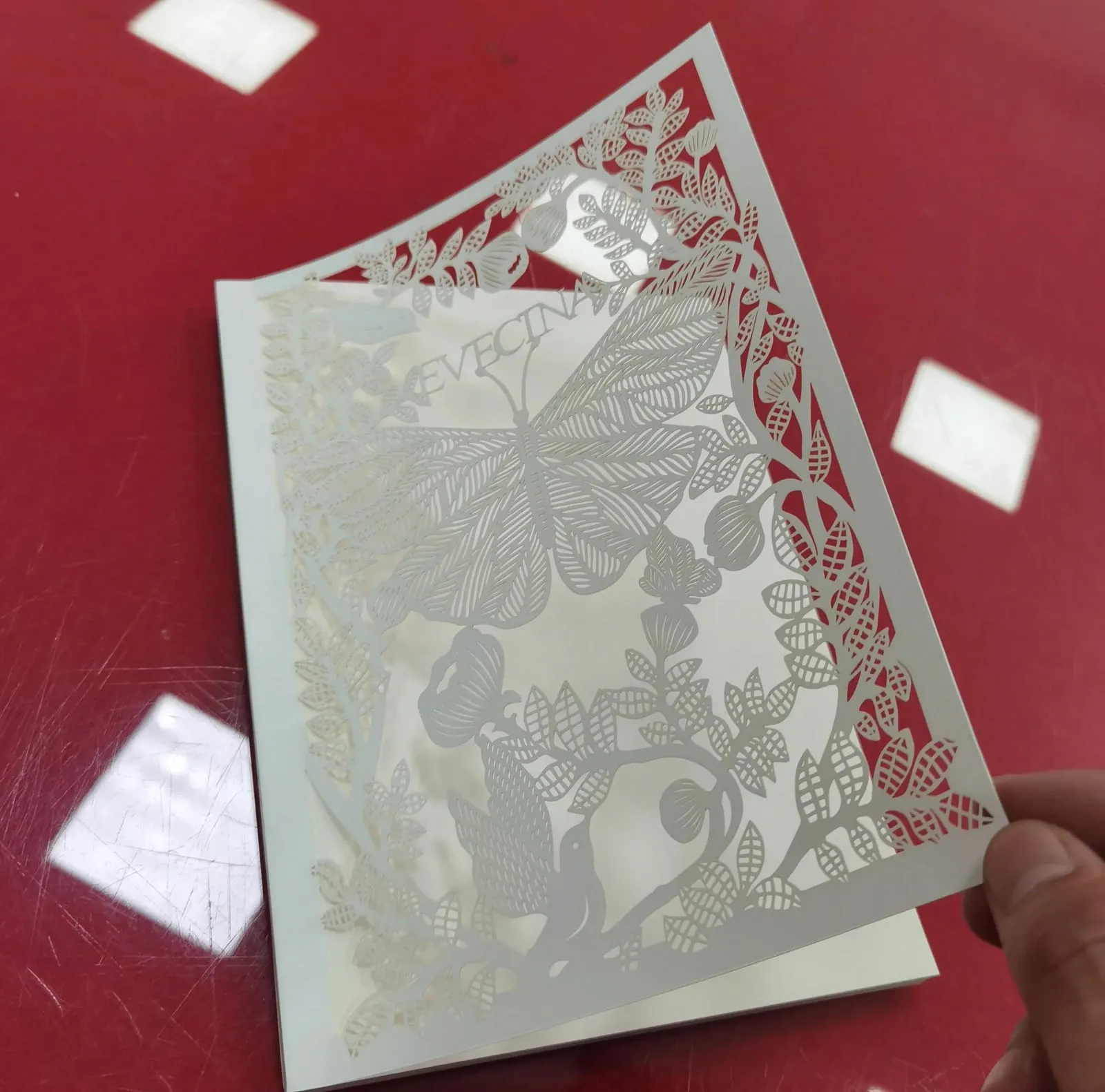
Laser Cutting & Engraving
Finishes archive
A laser either cuts through or engraves away a layer, which is how intricate see-through patterns and no-ink branding are produced.
Guide in production
Braille & Accessibility Emboss
Finishes archive
Braille dots are embossed to a controlled height so the information can be read without sight and survives handling.
Guide in production
Scent Coating
Finishes archive
Fragrance is micro-encapsulated into a varnish and released by friction, so the box itself becomes the product sample.
Guide in production
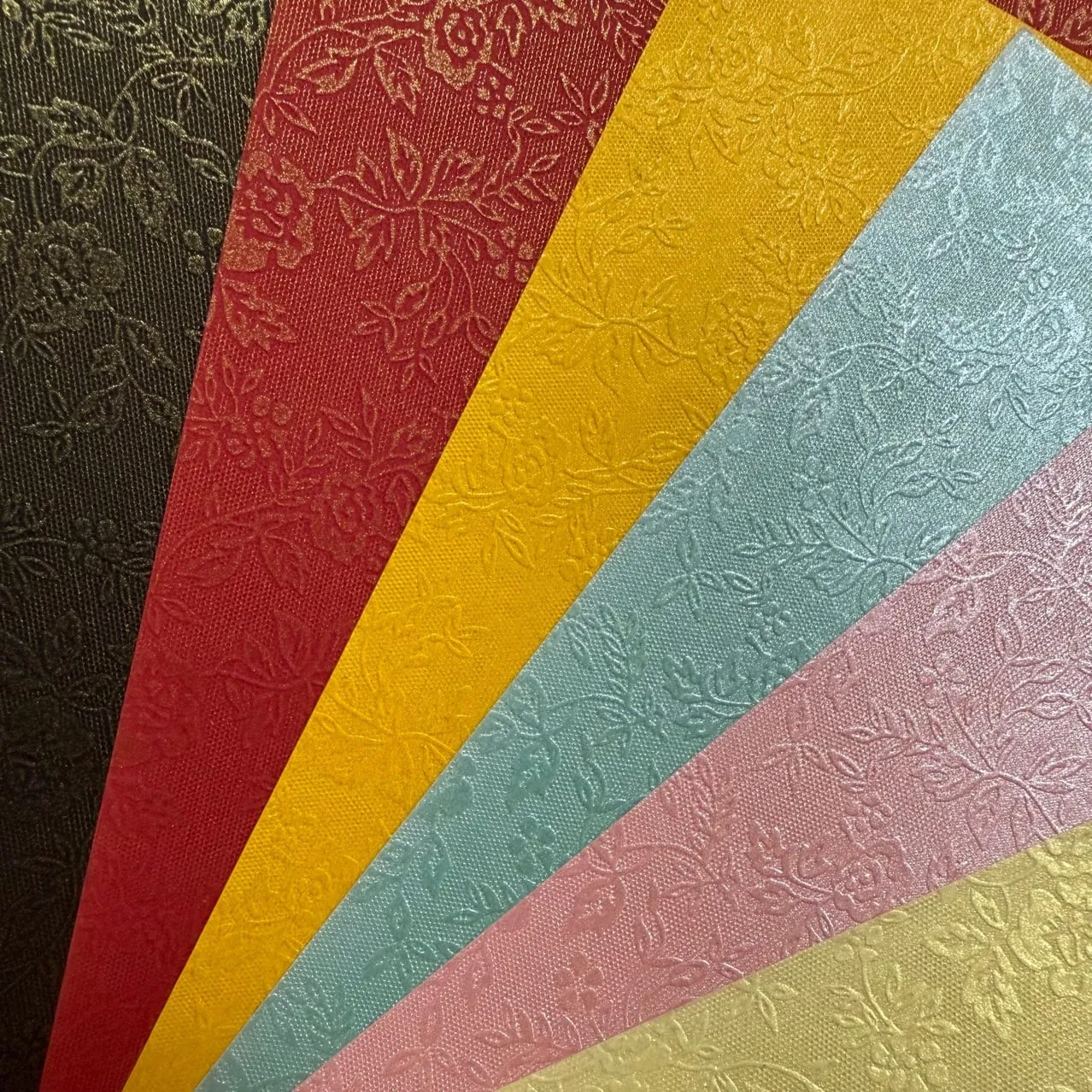 13
Texture Embossing
Finishes archive
An engraved roller or die presses a repeating grain into the whole panel, so the surface is felt before any logo is read.
Guide in production
Protection finishes
The protection axis covers the layers that keep the print intact through handling, packing lines, freight and shelf time: films, press-applied coats, scuff-resistant grades and the sealing that sits over a printed or functional ink. This axis rarely gets chosen for its own sake, yet it decides how the other two look on arrival. It is also the axis where material choice matters most, because a film, a water-based coat and an in-line varnish leave the board in very different states at end of life.
How the printed surface survives handling, freight and shelf time — the axis that decides how the other two look on arrival.
Full-Surface UV Coating
Finishes archive
A flood UV coat seals the whole printed sheet in one pass, buying handling protection and an all-over gloss in the same motion.
Read the finishing guide →
Aqueous Coating (Matte)
Finishes archive
A water-based seal that protects the print without a plastic film, which keeps the board easier to recycle than laminated stock.
Guide in production
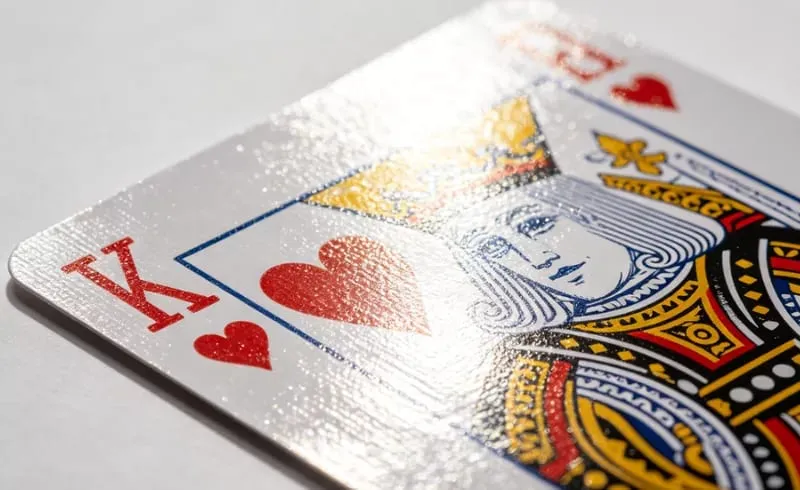 03
Varnish (Gloss / Satin / Matte)
Finishes archive
An ink-based clear coat applied on the press, protecting the surface with none of the thickness a film adds.
Guide in production
Anti-Scratch / Scuff-Resistant Lamination
Finishes archive
A scuff-resistant film keeps a matte or soft-touch surface from polishing itself shiny where freight rubs against it.
Guide in production
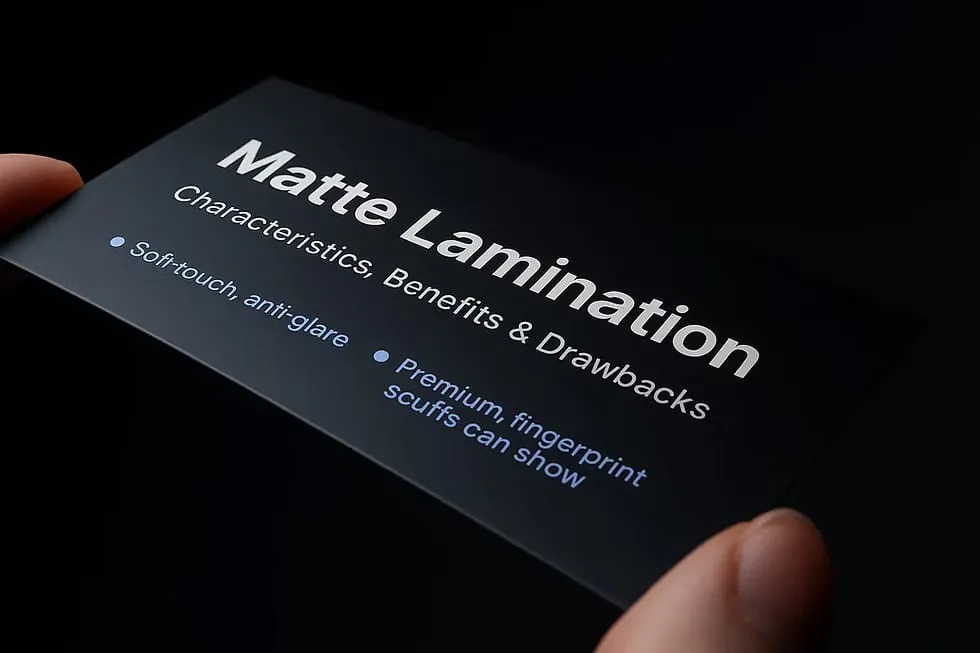 05
Film Lamination
Finishes archive
A plastic film bonded to the printed sheet — the family that decides whether a surface ends up matte, glossy, velvet or scuff-resistant.
Guide in production
Structural finishes
The structural axis covers the converting steps that decide what the panel physically becomes before any ink is laid or any film applied: the die-line, the creases, the repeating grain pressed into the board and the cut edges a buyer runs a thumb along. It is the axis that most often constrains the other three, because a window, a tight radius or a deep grain limits where a foil, a relief or a laminate can later be placed — and in the artwork file it is usually fixed first.
Where the panel is decided before anything is printed on it — cutting, creasing and pattern work that change what the board physically is.
 01
Die-Cutting
Finishes archive
A steel-rule die stamps the shape out of the sheet — the step that turns a flat printed board into the object.
Guide in production
The finish quick-reference
Every finish on file, by what it does and what it needs. Cost is listed as the driver that moves it — never as a price, because a finish is quoted from tooling, coverage and run length rather than from a rate card.
| Finish | Axis | What it does | Goes on | Cost drivers |
|---|---|---|---|---|
| Hot Foil Stamping | visual | A heated die presses a metallic foil into the sheet, leaving a mirror-sharp metallic mark that reads as jewellery rather than print. | rigid board · folding carton · corrugated liner · kraft paper bag | foil die + make-ready · foil coverage area · single vs multi-pass · run length |
| Cold Foil Transfer | visual | Foil is transferred onto wet adhesive during printing, so metallic artwork rides along with the CMYK pass instead of a separate heated pass. | folding carton · coated liner · self-adhesive label | adhesive pattern plate · foil consumption · press passes saved · run length |
| Holographic & Rainbow Foil | visual | A patterned foil splits the light into a shifting spectrum, giving a brand a surface that cannot be reproduced by CMYK alone. | folding carton · rigid board · hang tag | patterned foil stock · die + make-ready · coverage area · run length |
| Foil Debossing | visual | Foil and a recessed die run in one pass, so the metallic mark sits below the sheet — you feel the logo before you see the shine. | rigid board · folding carton · insert tray | combination die · register tolerance · foil coverage area · run length |
| Spot UV (Selective Gloss) | visual | A clear gloss coating is printed only where you want it, so artwork sits flat and one element catches the light on a matte field. | folding carton · rigid board wrap · paper bag · cardstock sleeve | UV screen or plate · coverage area · matte base film · run length |
| Raised (3D) UV | tactile | Stacked UV passes build a raised line you can trace with a fingertip while the surrounding surface keeps its matte film. | folding carton · rigid board wrap · hang tag | number of UV passes · line thickness · registration to artwork · run length |
| Full-Surface UV Coating | protection | A flood UV coat seals the whole printed sheet in one pass, buying handling protection and an all-over gloss in the same motion. | folding carton · cardstock sleeve · hang tag | flood coat only · gloss level · sheet size · run length |
| Screen Printing (Thick Ink) | visual | Ink is pushed through a mesh in a heavy layer, so a spot colour reads solid and slightly dimensional instead of flat. | kraft board · corrugated liner · rigid board wrap · paper bag | screen count + make-ready · number of colours · dry-time between colours · run length |
| Offset CMYK Print | visual | The baseline four-colour pass handles every gradient and photograph; every other finish in this archive is built on top of it. | coated liner · folding carton board · rigid board wrap · art paper | plate count · colour count · sheet size + press setup · run length |
| Digital Print (Short Run) | visual | Artwork goes straight from file to sheet, which is what makes a fifty-unit run of a fully printed box economically possible. | coated liner · folding carton board · self-adhesive label | no plates, higher unit cost · sheet yield per run · white-ink pass · run length |
| Flexographic Print | visual | Flexible plates print directly onto the corrugated board, the volume workhorse behind shipping-grade branding. | corrugated board · kraft board · paper bag | plate count · corrugated grade · ink coverage on fluting · run length |
| Metallic & Pearlescent Inks | visual | Metal-flake pigment inside the ink gives a surface-wide shimmer, so the whole panel glints instead of one stamped mark. | coated liner · art paper · folding carton board | pigment cost · number of passes · screen ruling · run length |
| Specialty Inks (Reactive / Glow) | visual | Functional pigments change the surface when temperature, light or a coin touches it — a reveal mechanism, not a colour choice. | coated liner · cardstock · self-adhesive label | pigment type · dedicated pass · protection coat over ink · run length |
| Edge Painting & Gilded Edges | visual | The exposed board edge is painted or gilded so a rigid box shows a coloured line the way a hardback book does. | rigid board (grey board) · book-style box | hand or machine edge pass · edge thickness tolerance · colour matching · run length |
| Interior & 360° Print | visual | Printing continues inside the lid and along the base, so the reveal is designed rather than left as bare board. | rigid board · folding carton · mailer interior | number of printed panels · board preparation before print · registration across folds · run length |
| Soft-Touch Lamination | tactile | A micro-textured film turns the whole panel into something closer to suede than paper — the first thing a customer touches. | rigid board wrap · folding carton · paper bag · cylinder tube · art paper | film type (velvet vs matte) · sheet coverage · single-sided vs double · run length |
| Velvet Flocking | tactile | Short fibres are flocked onto the lining so the interior of the box feels like a drawer in a jewellery shop. | insert tray · drawer interior · rigid board lining · EVA / foam surface | flock colour + fibre length · liner area · adhesive system · run length |
| Matte Lamination | tactile | The default professional surface: it kills glare, keeps colours honest under any light, and gives Spot UV something to contrast against. | folding carton · rigid board wrap · corrugated liner · paper bag | film grade · sheet coverage · single-sided vs double · run length |
| Gloss Lamination | tactile | A glossy film boosts colour saturation and reflectivity, the cheapest way to make a printed panel shout on a retail shelf. | folding carton · rigid board wrap · paper bag · cardstock | film grade · sheet coverage · single-sided vs double · run length |
| Embossing (Raised) | tactile | A male and female die pair lifts the artwork out of the sheet, so a logo or pattern becomes a ridge you can feel in the dark. | rigid board wrap · folding carton · art paper · hang tag | emboss die pair · relief depth vs board thickness · blind vs registered to print · run length |
| Debossing (Recessed) | tactile | The same die logic runs in reverse: the mark sinks below the surface, which reads as restrained and survives scuffing better than print. | rigid board wrap · folding carton · insert tray · art paper | deboss die · depth vs board thickness · blind vs registered to print · run length |
| Multi-Level (Sculpted) Emboss | tactile | Several depth levels in one die sculpt a mark instead of stamping a flat outline — the closest a paper surface gets to carved relief. | rigid board wrap · heavy art paper · book-style cover | die engraving complexity · number of depth levels · board weight required · run length |
| Textured & Specialty Wraps | tactile | The wrap paper itself carries the texture, so the box reads as bound in a material rather than printed with a pattern. | rigid board wrap · book-style cover · drawer sleeve | specialty paper cost · minimum per paper grade · wrap waste in wrapping · run length |
| Laser Cutting & Engraving | tactile | A laser either cuts through or engraves away a layer, which is how intricate see-through patterns and no-ink branding are produced. | rigid board · wood veneer · art paper · cardstock | machine time per panel · pattern complexity · material compatibility · run length |
| Braille & Accessibility Emboss | tactile | Braille dots are embossed to a controlled height so the information can be read without sight and survives handling. | folding carton · rigid board wrap · label | dot-height die work · validation of the tooling · board choice · run length |
| Scent Coating | tactile | Fragrance is micro-encapsulated into a varnish and released by friction, so the box itself becomes the product sample. | coated liner · folding carton · insert card | capsule type + dose · coverage area · protection coat over the scent layer · run length |
| Aqueous Coating (Matte) | protection | A water-based seal that protects the print without a plastic film, which keeps the board easier to recycle than laminated stock. | folding carton · corrugated liner · kraft board | flood vs spot · coating weight · press pass · run length |
| Varnish (Gloss / Satin / Matte) | protection | An ink-based clear coat applied on the press, protecting the surface with none of the thickness a film adds. | coated liner · folding carton board · art paper | spot vs flood · number of passes · finish level · run length |
| Anti-Scratch / Scuff-Resistant Lamination | protection | A scuff-resistant film keeps a matte or soft-touch surface from polishing itself shiny where freight rubs against it. | rigid board wrap · folding carton · mailer exterior | film grade · sheet coverage · single-sided vs double · run length |
| Reverse UV | visual | Spot UV glosses the mark; reverse UV floods the sheet in gloss and knocks the mark out in matte — the brand reads as a dry patch floating in wet light. | folding carton · rigid board wrap · sleeve | one extra varnish pass · how much area is knocked out · registration between gloss and matte · run length |
| Pantone Spot Colour Printing | visual | A mixed ink rather than a four-colour build, so the brand colour lands the same on every unit and carries no rosette. | folding carton · rigid board wrap · paper bag · corrugated liner | number of spot colours · ink mixing and wash-up · coverage area · run length |
| Film Lamination | protection | A plastic film bonded to the printed sheet — the family that decides whether a surface ends up matte, glossy, velvet or scuff-resistant. | rigid board wrap · folding carton · paper bag · mailer exterior | film grade and thickness · single or double sided · sheet size and coverage · run length |
| Texture Embossing | tactile | An engraved roller or die presses a repeating grain into the whole panel, so the surface is felt before any logo is read. | rigid board wrap · folding carton · sleeve · tube | engraved roller or die · pattern coverage · board weight class · run length |
| Die-Cutting | structural | A steel-rule die stamps the shape out of the sheet — the step that turns a flat printed board into the object. | folding carton · rigid board · corrugated · mailer | die fabrication · cut complexity and count · make-ready and setup · run length |
Combinations and where they fight
Finishes are usually combined rather than chosen singly, because one treatment rarely answers more than one axis. The pattern is consistent: a base surface is set first, then a second finish is applied over it or into it. What changes between jobs is the order of the passes — and the order is what a quote, a die and an artwork revision all follow. The rows below are the pairings that come up most often, with the boundary that each one runs into.
| Base | Add | What it adds | Boundary to watch |
|---|---|---|---|
| Matte Lamination | Spot UV (Selective Gloss) | The flat film becomes the quiet field and the coated shape lifts out of it as the only element catching light — the standard premium treatment on a rigid lid or a carton face. | No conflict |
| Soft-Touch Lamination | Spot UV (Selective Gloss) | A glossy shape reads against velvet, so one element is both seen and felt differently from the panel around it. | The micro-texture softens the edge of the coated shape, so the gloss reads as a soft lift rather than a hard line; hairlines and small type fill in. |
| Gloss Lamination | Spot UV (Selective Gloss) | On paper this is the most protective pairing for a panel that has to reflect across a shelf. | Gloss against gloss is invisible: with no dull field beneath it the coated shape effectively disappears, which is why the combination is rarely worth specifying. |
| Matte Lamination | Hot Foil Stamping | Metallic pigment gains a hard edge by contrast, because the surface around it returns almost no light to the viewer. | No conflict |
| Textured & Specialty Wraps | Hot Foil Stamping | A metallic mark over a wood-grain, linen or floral surface reads as inlaid into the material rather than printed on top of it. | Texture scatters the foil edge and fills in fine detail, so the mark has to be bolder and simpler than the same artwork on a smooth coated sheet. |
| Hot Foil Stamping | Embossing (Raised) | Metal on a raised ridge compounds both signals: the mark catches light from almost any angle and is found by a fingertip in the dark. | Run as one combination die this holds register; run as two operations the stamp must land inside the relief, which is the tightest tolerance on the panel. |
| Debossing (Recessed) | Hot Foil Stamping | The metallic mark sits below the sheet, so it is felt with a thumb before it is seen — the same effect the archive lists on its own as Foil Debossing. | Recess depth is limited by board thickness, and misregister shows as pigment smeared onto the recess wall rather than as a clean edge. |
| Matte Lamination | Embossing (Raised) | A single ridge rises out of an otherwise flat, glare-free field, which is the most restrained way to give a small mark physical presence. | Deep relief over a thin film can crack the laminate along the ridge; emboss the printed sheet first and film afterwards, or keep the relief shallow. |
| Debossing (Recessed) | Velvet Flocking | A sunken mark on a lid above a flocked tray stays handling-safe and disappears into the pile once the insert is seated. | Flocking hides shallow relief, so depth has to be planned against the lining rather than chosen from the lid face alone. |
| Screen Printing (Thick Ink) | Aqueous Coating (Matte) | A heavy opaque spot colour keeps its solidity under a water-based seal, which protects the print without putting a plastic film on the board. | No conflict |
What the substrate allows
The substrate decides the shortlist before taste does. A finish is a behaviour of a surface, so the same die, film or coating produces different results on a smooth coated sheet, a fibre sheet and a board with an air gap behind it. Read the board first, then pick the finish — the other order produces a specification that has to be renegotiated at proof.
Coated / laminated art paper wrap on rigid construction
Works: Hot Foil Stamping, Spot UV (Selective Gloss), Debossing (Recessed) and Offset CMYK Print, where the smooth face lets pigment release and coats land where the artwork defines them.
Careful: Deep relief can crack a thin laminate along the ridge, and the order of the film pass against the die pass has to be settled before tooling is cut.
Uncoated kraft and kraft-lined board
Works: Screen Printing (Thick Ink), Embossing (Raised), Flexographic Print and Aqueous Coating (Matte), where an opaque deposit reads solid and relief gains depth from the fibre.
Careful: The sheet drinks a coating unevenly and scatters a foil edge, so a selective gloss goes patchy and fine foil detail fills in.
Textured and specialty wrap papers
Works: Embossing (Raised), Multi-Level (Sculpted) Emboss and Hot Foil Stamping, where the material itself supplies part of the impression.
Careful: The pattern competes with the finish: a fine registered mark is absorbed by the grain, so a textured wrap takes larger, simpler marks.
Grey-board rigid construction with a printed wrap
Works: Hot Foil Stamping, Foil Debossing, Soft-Touch Lamination, Edge Painting & Gilded Edges and Velvet Flocking, because the wrap is finished flat over solid board and can hold the finest tooling in the archive.
Careful: Depth is the constraint: push relief too far and the mark telegraphs through to the inside face the customer sees when the lid lifts.
Corrugated board
Works: Flexographic Print, Digital Print (Short Run) and Aqueous Coating (Matte), with the print carried on the liner and the flute left to do the structural work.
Careful: The liner sits over an air gap, so fine relief across the flutes is unpredictable and foil is normally restricted to bold, large marks on flat panels.
Cylinder tube board and rolled stock
Works: Soft-Touch Lamination, Hot Foil Stamping and Metallic & Pearlescent Inks, because a curved face is almost entirely handled rather than shelved.
Careful: A rolled format has a curve and a seam: registration has to hold around the roll, and a film must survive forming rather than being bonded to a flat sheet last.
Paper bag stock and handle paper
Works: Gloss Lamination, Screen Printing (Thick Ink), Hot Foil Stamping and Spot UV (Selective Gloss), where a large face carries colour at a distance.
Careful: Bag faces are creased, folded and glued after finishing, so a film on a tight fold can lift or crack and a heavy relief can split the crease.
The finishing guides
Each guide below goes one level deeper on a single decision — a process comparison, a cost structure, or a combination explained on its own terms. If your question is already specific, start there; if it is not, the axes above usually narrow the field first.
Comparison guide · P0
foil stamping vs embossing
Comparison guide · P0
spot UV vs gloss lamination
Comparison guide · P0
soft touch vs matte lamination
Comparison guide · P0
embossing vs debossing
Cost guide · P1
foil stamping cost
Comparison guide · P1
matte vs gloss lamination
Process guide · P1
foil debossing
Sample first, then specify
Hold the finishes in your hand before the run is committed
A screen cannot show you the difference between a matte film that stays quiet and a velvet surface that polishes where freight rubs, or how a foil edge releases on a textured wrap. The sample kit puts the finishes in this archive on real board, with the combinations that are usually specified together, so the decision is made on a surface rather than on a monitor.
Choosing packaging finishes: the questions buyers actually ask
Can I combine finishes on one box?
Yes, and on premium work you usually should. Most panels combine two or three touches read at different moments: something for the eye on the outside, something for the hand at the opening, and a protection layer that keeps both intact. The limit is not the number of finishes, it is the order they run in, because every pass changes the surface the next one has to register against. Settle the order at the artwork stage — the combination table above and the substrate notes are the two places to check first.
How early does a finish have to be decided?
Earlier than most briefs allow, because a finish usually changes the artwork and sometimes the structure. A die exists for one artwork at one size, so moving a mark after tooling is cut means new tooling and a new setup. Substrate choice is the other early lock: whether the sheet is coated or uncoated decides which finishes stay possible, and relief depth can push the specification toward a heavier board. The practical rule is to fix board and finish together, then let the die-line follow.
Do finishes change the die-line or the structure?
They can. Relief and coated edges have to clear the fold, the crease and the glue flap, and artwork that runs across a curve or a corner has to be accounted for in the layout rather than discovered at assembly. Lamination also adds stiffness, which is worth knowing before choosing a lighter board. The die-line is drawn after the finish map is agreed, not before, because the two are the same drawing seen from different sides.
Which finishes survive freight?
Freight is where finishes are judged, and it is the reason the protection axis exists. Films and coatings take the rub that print would otherwise show, and a scuff-resistant grade exists specifically for a matte or soft-touch surface that travels inside a master carton. Relief on a raised ridge takes contact first, while a recessed mark sits below the traffic and wears less visibly. What no finish does is turn a paper box into a barrier: this is surface protection, not water resistance for the product inside.
How does finish choice affect recycling?
It is a material question, and it is worth raising before someone else raises it. A water-based aqueous coat leaves a board easier to recover than a plastic film, while film lamination changes how a mill has to handle the sheet, and both foil and film mean the board is carrying something that is not board. Where end-of-life is part of the brief, the film-free options — Aqueous Coating (Matte) and Varnish (Gloss / Satin / Matte) — do real work without adding a layer. Raise it early, because the answer can reorder the whole finish plan.
What belongs in a finishing brief?
Six things decide almost everything: the substrate with its weight and coating, the structure and how the panel is folded, where the finished mark sits in the artwork, which axis each surface is aimed at — seen, touched or handled — whether the order is a first run or a repeat, and which other finishes share the panel. Add the delivery lane, because a box shipped inside a master carton and a box handed over at retail are judged in different places. With those on the table the specification usually writes itself.
Structures that take these finishes
Premium Magnetic Rigid Box
Spec sheet · DDP quote
Luxury Cylinder Tube Packaging
Spec sheet · DDP quote
Custom Velvet Finish Gift Box
Spec sheet · DDP quote
Custom Folding Carton Boxes
Spec sheet · DDP quote
Custom Ribbon Handle Paper Bags
Spec sheet · DDP quote
The Finishes Lab
BrandPackagingLab — Lab Engineering Desk. Finishing notes written from the production floor: what each process does to a surface, what it costs, and where it stops working.
Standard definitions: TAPPI T-811 · ISTA series (public standards). Material and finish options follow the published master data for each structure.