
Embossing vs Debossing:
Above or Below the Sheet
Embossing lifts the mark out of the board; debossing pushes it in. Same die logic, opposite direction — and the direction changes what the inside of the box reveals.
Both are deformation processes: a matched male and female die close around the sheet and move the material out of plane. Neither adds ink, which is why both read as engineered rather than printed, and why both can run blind on an unprinted stock. The direction is the decision. A raised ridge catches raking light and a fingertip; a recessed mark reads as a deliberate channel and sits below the traffic of handling.
Signal
Emboss = relief above the surface. Deboss = the same mark sunk below it.
Tooling
A matched male/female die pair either way; blind runs skip print, registered runs follow it.
Constraint
Depth is limited by board thickness — and the inside face shows what you did.
One die pair, run in two directions THE MATRIX
Pick by where the mark should sit THE LIMITS
Board thickness, film cracks, the inside face
One die pair, run in two directions
Embossing and debossing use the same tooling logic. A male and female die close around the sheet like a mould: one side pushes, the other gives the material somewhere to go. The result is a deformation of the board, not a layer sitting on top of it. Reverse which face of the die pair meets the printed side and the mark sinks instead of rising: that is the entire difference.
Because nothing is added, both work blind — relief with no colour, where the mark exists only as shadow and touch. Both can also be registered to print, so a printed logo or frame carries relief exactly where the artwork sits — the version that demands registration tolerance and an extra pass. Depth is the shared limit: a die can only move the material it has, so usable relief is bound to the thickness and grade of the board.
The decision matrix: pick by where the mark sits
The question is not which process is better but where the mark should sit relative to the surface, and what the box reveals once it is opened. Describe the moment the customer meets the mark and the direction usually decides itself.
| Decision | Embossing (raised) | Debossing (recessed) | Both, on one box |
|---|---|---|---|
| The mark must be found by touch on a flat panel | A ridge stands proud and is readable in the dark | A recess reads as a channel; a fingertip finds the edge | Raise the lid mark, recess the base or inner card |
| The panel is printed and laminated | Relief over a laminate can crack the film — emboss before filming, or keep relief shallow | Pressing a film into the sheet risks the same crack along the mark's edge | Settle the film order before cutting dies |
| The interior will be seen when the box opens | Relief leaves a mirrored shadow on the inside face | A recess leaves a shallow dish on the inside face | Keep the interior mark shallow and deliberate |
| Lightweight board or a thin paperboard carton | Depth is limited by the sheet; deep relief on thin board telegraphs through | Same limit — the die needs material to displace, not air | Both become a single-plane, shallow mark |
| The mark sits where hands and freight rub | The raised ridge takes the rub first | A sunken mark sits below the traffic and wears less visibly | Recess the panels that travel, raise the ones handed over |
| The brief is a sculpted, multi-level logo | Multi-level relief is possible in one engraved die | Recessed marks stay single-plane in practice | Sculpting belongs on the raised face |
Blind or registered: the second decision
Once the direction is chosen there is a second decision that moves cost more than the first: does the mark stand alone on the stock, or does it have to line up with print?
- — Blind embossing and blind debossing add no colour at all. The mark is pure relief against the stock, which suits uncoated and textured papers and brands that would rather say less.
- — Registered work ties the relief to a printed or foiled element, so the die has to land on the artwork the designer drew. That is a registration-tolerance question, and it is the most common reason a relief line in a quote moves.
- — Blind relief can run in a single pass over an unprinted sheet, while registered relief follows the print and adds a pass and a setup.
- — Relief and foil can be combined, so a raised mark is also metallic — one operation, two tooling items, and a tighter register than either needs alone.
What actually moves the cost
Relief is not priced by the size of the mark on the panel. It is priced by the die, the board it has to deform and how precisely it has to land — drivers rather than rates, which is why the same logo can be a minor line item on one brief and a major one on the next.
01
The die pair
Both processes need a matched male and female die, and the pair is fixed tooling. It is amortised across the run, so it dominates a short first order and fades as volume grows.
02
Blind versus registered
A blind mark is one operation. A registered mark follows the print and must line up with it, adding a pass and a tolerance to hold.
03
Depth against board weight
Deeper relief needs more material to displace, pushing the specification toward a heavier board — and on a wrapped rigid box that means more wrap waste.
04
Die engraving complexity
A single-plane mark is a straightforward die. Multi-level relief, sculpted logos and fine dot work are engraving exercises, priced as such.
05
Registration tolerance and run length
Tightening how precisely the relief must sit against printed artwork costs more than working in open space. Spreading that setup over more units is the main reason relief gets cheaper per box as the order grows.
Where each one stops working
Both processes have boundaries set by physics, not taste. Knowing them before artwork is finalised is the difference between one press approval and three.
- — Depth is limited by the board: push relief deeper than the sheet can carry and the mark telegraphs through to the inside face as a mirrored shadow or a shallow dish.
- — Embossing over a laminate can crack the film, and the crack shows as a white line along the ridge. The safer order is to emboss the printed sheet first and laminate afterwards, or keep relief shallow where the film goes on first.
- — Corrugated resists both: the liner has an air gap behind it rather than a solid backing, so fine relief across flutes is unpredictable and corrugated relief is usually limited to large, simple marks on flat panels.
- — Very fine relief disappears into the surface: thin strokes and small detail need relief width, or they read as a rumour of a mark.
The inside face is part of the drawing
On a wrapped rigid box the sheet that gets embossed is the wrap, and a wrap has two faces. Whatever is raised on the outside is also displaced on the inside, which is why relief on a lid is visible the moment the box is opened. That is not a defect — it is information a designer can use, and the most consistently ignored constraint in relief briefs.
The practical way to handle it is to plan depth against the interior finish. A shallow ridge over a flocked interior disappears into the lining; a deep ridge over a bare interior leaves a mirror image of the mark in the lid's shadow, which some brands want and others discover too late.
Where these finishes go to work
The same two finishes show up on very different structures. These are the builds where each one earns its keep — open a spec sheet to see the board, MOQ band and lead time behind it.
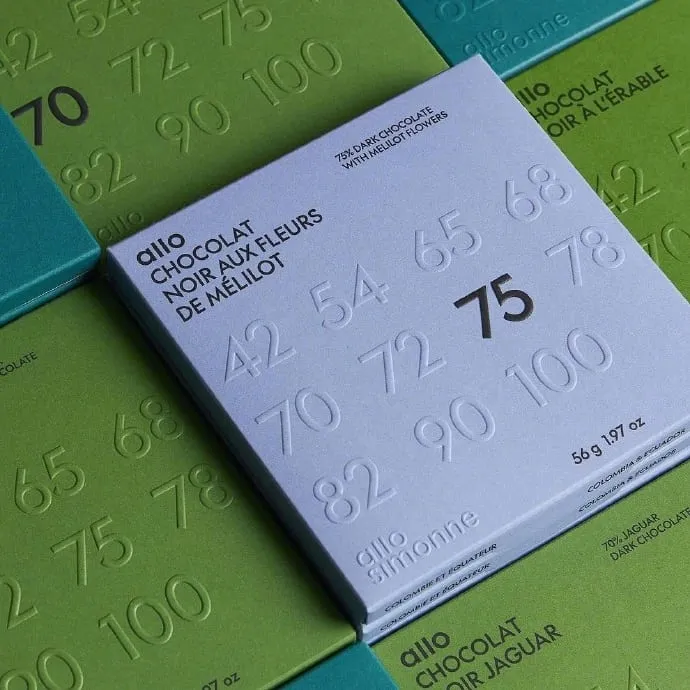 01
Embossing (Raised)
Applied finish
A male and female die pair lifts the artwork out of the sheet, so a logo or pattern becomes a ridge you can feel in the dark.
Read the finishing guide →
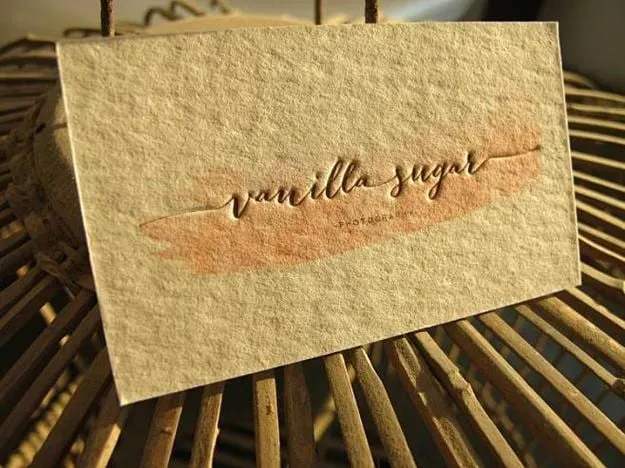 02
Debossing (Recessed)
Applied finish
The same die logic runs in reverse: the mark sinks below the surface, which reads as restrained and survives scuffing better than print.
Read the finishing guide →
Multi-Level (Sculpted) Emboss
Applied finish
Several depth levels in one die sculpt a mark instead of stamping a flat outline — the closest a paper surface gets to carved relief.
Read the finishing guide →
Structures that take this finish
Luxury Sliding Drawer Box
A wrapped drawer and sleeve where a debossed mark sits below the handling a sliding box always gets.
Luxury Watch Presentation Box
Small rigid panels take deep relief well, and the insert hides most of the reverse.
Custom Bottle Gift Box with Insert Tray
A large flat lid where a blind emboss reads at arm's length and the tray covers the inside face.
Embossing vs debossing, answered
What is the difference between embossing and debossing?
Embossing raises the mark above the surface of the sheet; debossing sinks the same mark below it. Both use a matched male and female die pair and deform the board rather than adding ink, so either way the artwork becomes relief in the material itself.
Can blind embossing and blind debossing be done without any print?
Yes. Blind relief adds no colour at all — the mark exists only as shadow and touch, which is why it suits uncoated and textured stocks and brands that want to say less. It needs no print pass, so with the die as the only tooling it is a single operation over the stock.
How deep can an emboss or deboss go?
Depth is limited by the board, not by the die: the process can only move the material that is there. Deep relief on a thin sheet telegraphs through to the inside face, so usable depth is balanced against the board weight the structure can carry.
Can you emboss over lamination?
You can, but the film becomes the limiting factor — deep relief can crack a thin laminate, and the crack shows as a white line along the ridge. The safer order is to emboss the printed sheet first and laminate afterwards, or to keep the relief shallow where the film has to go on first.
Which costs more, embossing or debossing?
They are quoted from the same drivers: a matched die pair, the pass it runs in, the board it has to deform and how tightly the relief must register to print. Debossing is not inherently cheaper than embossing: the direction changes the design, not the tooling logic.
Raised or recessed
Send us the mark — we will tell you which direction it should go
Structure, board, finish and DDP freight in one landed quote. If a mark is better felt than printed, that is what the quote will say.
Keep reading
Foil Debossing: Metal Below the Surface
What happens when the recessed mark also carries metal in the same pass.
Foil Stamping vs Embossing: Metal or Relief
How a combination die runs relief and foil together on one raised mark.
The Finishes Lab
BrandPackagingLab — Lab Engineering Desk. Finishing notes written from the production floor: what each process does to a surface, what it costs, and where it stops working.
Standard definitions: TAPPI T-811 · ISTA series (public standards). Material and finish options follow the published master data for each structure.