
Matte vs Gloss Lamination:
Two Films, Two Signals
Matte and gloss lamination are two films with one job description: sealing the print. Gloss reflects light and deepens colour; matte scatters it, feels more premium in the hand and photographs without glare.
This is a film choice, not a coating choice. Both are bonded across the full sheet and do the same protective work, so what changes is how the panel answers light, how it feels on opening, and what can be applied over it. The film is the surface that spot UV, foil and emboss sit on, so it is normally chosen first and the other finishes are designed around it.
Signal
Gloss = reflected light and deeper colour. Matte = scattered light and a quiet, flat field.
Coverage
Both are full-surface films, so the whole panel behaves the same way whether or not it is printed.
Downstream
Matte is the base that lets spot UV, foil and emboss read; gloss film competes with them.
The same operation, two film surfaces THE MATRIX
Pick by light, hand-feel and the next finish THE LIMITS
Where each film stops working
One operation, two surfaces
Lamination is the same operation either way: a film is bonded to the printed sheet under heat and pressure, and the film becomes the outer surface. Only the film loaded into the machine changes.
Gloss film is smooth and reflective. It returns light to the viewer rather than scattering it, which deepens apparent colour saturation and makes a panel read from a distance. Matte film carries a micro-rough surface that scatters light, so the panel stays readable from any angle.
Because both films share an operation, they also share a cost structure and the same downstream rules. The decision is not technical difficulty; it is what the surface should communicate.
What each film does to colour and light
The film adds no pigment. It changes how much light comes back off the panel, which is the difference buyers notice before anything tactile.
01
Gloss boosts saturation
More light is reflected back than scattered, so colour reads deeper and denser. Bold photography and saturated brand colours benefit most.
02
Matte keeps colour honest
Scattered light means the panel never blows out under a spotlight or a camera flash, which suits restrained palettes and fine print.
03
Gloss shows the room it is in
It reflects glare, ceiling lights and fingerprints, which draws attention on a shelf but can fight the artwork in a photograph.
04
Matte changes the hand-feel
Matte feels dry and paper-like rather than slippery, which reads as more considered at the unboxing moment.
The film is the base for everything else
The film is usually chosen before any other finishing decision, because every later process is applied over it. Choose it last and the finish you wanted may no longer work.
- — Spot UV needs a dull field to register against. Over matte film the coated shape reads clearly; over gloss film it effectively vanishes.
- — Foil works on both surfaces, but matte gives metallic pigment a quiet neighbour, which makes the foil look sharper by contrast.
- — Emboss sits on the film as relief, yet a deep impression on a thin laminate can crack the film along the ridge, so depth is matched to the film and the board.
- — Gloss film competes with any finish that relies on reflected light, so high-impact cartons often pair gloss with print-only artwork.
- — Laminating both sides adds stiffness as well as protection, which is worth knowing before choosing a lighter board.
- — Aqueous and varnish coats are the film-free alternatives: they seal the print with less thickness, but do not create the same surface depth.
What actually moves the cost
Both films sit in the same family, so the differences between them are small next to the drivers that apply to both.
01
Film grade
The film is the consumable, and grade matters more than sheen. Soft-touch and scuff-resistant films are separate grades priced above a standard matte or gloss.
02
Sheet coverage
Coverage is the whole sheet by definition, so film cost follows sheet size and panel count rather than how much artwork is printed.
03
Single-sided or double-sided
One face protects the visible surface; both faces add a second pass, more film and extra stiffness, which interior panels rarely need.
04
Make-ready and passes
Lamination is an offline operation with its own setup, separate from printing and from any coating applied afterwards.
05
Board and run length
The film is applied to a board, so board weight and sheet size stay in the calculation, while fixed setup dominates short runs and fades on long ones.
06
What comes after it
A matte base makes a later selective gloss or foil job straightforward; a gloss base can make the same job pointless.
The decision matrix: pick by light, hand and what comes next
| Decision | Matte lamination | Gloss lamination | Film + selective finish |
|---|---|---|---|
| Colour and photography | Even and glare-free, slightly flatter | Deeper saturation, strongest shelf impact | Matte field, focal mark finished |
| Should the panel feel premium in the hand? | Yes — dry and paper-like | Less so — smooth and slippery | Matte base with a raised or glossy mark |
| Fingerprints and handling marks | Show as light scuffs; scuff-resistant grades limit them | Fingerprints and fine scratches show readily | Marks concentrate on the coated areas |
| Spot UV, foil or emboss planned above the film | The correct base — contrast is built in | Poor base — a gloss field cancels a gloss mark | Yes — the finish is why the film was chosen |
| Photography versus physical shelf | Better in photographs, no glare to manage | Better at distance on a shelf | Depends which the hero image must show |
| Short first run, tight budget | Same operation as gloss; setup dominates | Same operation as matte; no premium either way | Two operations, so two setups to amortise |
Where each film stops working
Both films protect the print and will outlast the ink inside them. Their limits are about light, surface and what they allow afterwards.
- — Gloss film cannot sit quietly: it reflects whatever is in front of it, so a panel designed for subtlety will fight the surface.
- — Matte is not fingerprint-proof. Its texture can polish up where hands touch repeatedly, which is why scuff-resistant grades exist.
- — Neither film is sealed at the fold by default. On tight folds and heavy cartons the film can lift or crack along the crease.
- — A film resists handling and surface moisture, but it is not a barrier for the product inside the box.
- — The film locks in the print as printed. It will not conceal uneven ink, and on gloss any unevenness is easier to see.
Where these finishes go to work
The same two finishes show up on very different structures. These are the builds where each one earns its keep — open a spec sheet to see the board, MOQ band and lead time behind it.
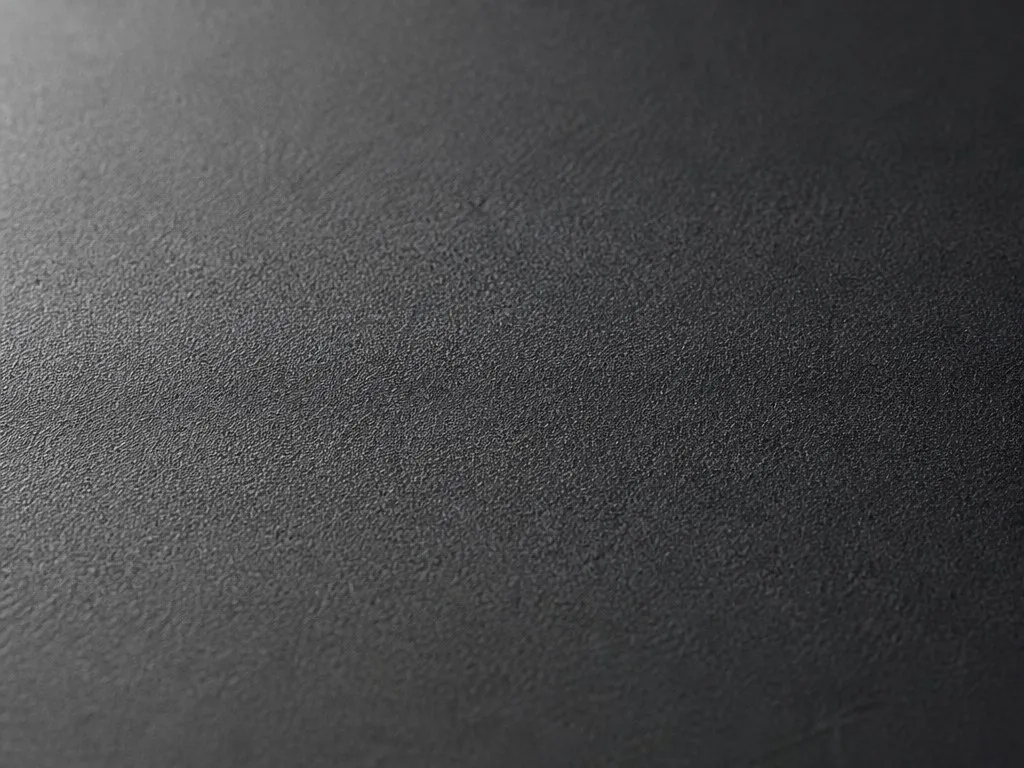 01
Matte Lamination
Applied finish
The default professional surface: it kills glare, keeps colours honest under any light, and gives Spot UV something to contrast against.
Read the finishing guide →
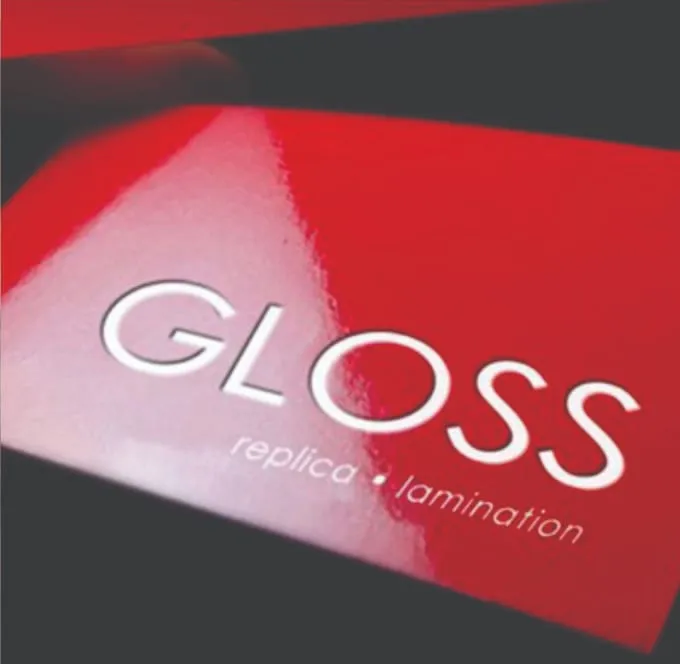 02
Gloss Lamination
Applied finish
A glossy film boosts colour saturation and reflectivity, the cheapest way to make a printed panel shout on a retail shelf.
Read the finishing guide →
Structures that take this finish
Matte vs gloss lamination, answered
Is matte or gloss lamination more expensive?
Both run through the same operation and consume film the same way, so a standard matte and a standard gloss sit close together. What moves the quote is the film grade, since soft-touch and scuff-resistant grades sit above both, plus sheet coverage, whether one or both sides are filmed, the board and the run length.
Which film makes colour look better?
Gloss deepens apparent colour saturation and gives the strongest shelf impact. Matte scatters light and keeps colour even and glare-free, which usually looks more accurate in a photograph.
Can I put spot UV or foil on gloss lamination?
You can, but gloss works against any finish that depends on contrast, and spot UV over gloss film has almost nothing to reveal. Foil still reads as metal, though matte makes it look sharper. Choose matte if a selective finish is planned.
Which one shows fingerprints and scratches less?
Gloss is the more demanding surface, because its reflected light reveals fingerprints and fine scratches. Matte is more forgiving overall, but can polish up where hands touch the same spot repeatedly.
Do I need lamination at all?
Bare print works on uncoated stocks where the material is the point, and it can be sealed with an aqueous or varnish coat instead. A film adds surface protection, stiffness and the specific sheen you are choosing between here.
Two films, one surface decision
Tell us what the panel should say — we will specify the film that says it
Structure, board, finish and DDP freight in one landed quote. If matte plus a selective gloss is the better answer, the quote will say so.
Keep reading
Spot UV vs Gloss Lamination: One Shape of Shine, or All of It
The finish that matte film exists to make visible.
Soft Touch vs Matte Lamination
The next step in hand-feel once matte has been ruled in.
The Finishes Lab
BrandPackagingLab — Lab Engineering Desk. Finishing notes written from the production floor: what each process does to a surface, what it costs, and where it stops working.
Standard definitions: TAPPI T-811 · ISTA series (public standards). Material and finish options follow the published master data for each structure.