
Spot UV vs Gloss Lamination:
One Shape of Shine, or All of It
Spot UV adds a clear gloss in a chosen shape; gloss lamination adds a reflective film across the whole sheet. One is a design gesture, the other a surface condition.
Spot UV is a coating printed through a screen or a plate, so it exists as a pattern sitting on the print. Gloss lamination is a film bonded edge to edge, with no pattern at all. The real question is what the customer should notice: a single element catching light, or a panel that shines everywhere. Because gloss against gloss is invisible, spot UV is almost always applied over a matte film.
Signal
Spot UV = gloss in a chosen shape. Gloss lamination = gloss across every panel.
Coverage
Spot UV covers the artwork shape; the film covers the sheet, including areas meant to stay quiet.
Order of work
The film goes on first and becomes the surface; spot UV sits on top of it.
A printed shape versus a bonded sheet THE MATRIX
Pick by what the customer should notice THE LIMITS
Where each one stops working
Two ways to add shine, two different scopes
Spot UV is a clear gloss coating applied through a screen or a coating plate, so the varnish lands only where the artwork defines it. Everything outside that shape keeps the surface it already had, and the coating is cured under ultraviolet light, which is where the name comes from.
Gloss lamination bonds a film to the printed sheet under heat and pressure. There is no pattern: every panel, margin and fold receives the same reflective skin, and the film becomes the surface the customer touches.
That difference in scope is the whole decision. A selective gloss is judged by where it is allowed to appear; a film is judged by how it changes the entire panel.
What the buyer actually sees
Neither finish is simply glossier than the other. The question is where the gloss appears, and what that does to the artwork beside it.
01
Spot UV needs contrast to exist
Gloss against gloss is invisible, so a selective coating only registers when the field around it is dull. That is why it is normally specified over a matte film.
02
Gloss lamination has no hierarchy
A full film flattens the artwork into one finish: nothing is singled out, which suits photographic panels and colour-block designs.
03
Spot UV moves with the light
Tilt the box and the coated shape appears and disappears, which is why it carries logos and short headlines rather than body copy.
04
Gloss lamination reads at distance
A filmed sheet reflects light from across a shelf and deepens apparent colour saturation, so the panel carries weight in a retail shot.
Films, boards and what goes underneath
Both finishes sit on top of the print, so the first decision is the base. A selective gloss needs a laminated or coated surface, and the film beneath it decides how much contrast the shape can create.
- — Matte film plus spot UV is the classic pairing: the film kills glare and the coated shape lifts one element out of it.
- — Gloss film plus spot UV is possible but rarely worth it, because without a dull field the coating has nothing to stand against.
- — Soft-touch film plus spot UV is the most tactile version, since the velvet surface makes the gloss shape feel different as well as look different. See Soft Touch vs Matte Lamination.
- — Uncoated and kraft stocks host a selective gloss poorly, because the fibre drinks the coating and the gloss line goes patchy.
- — Folding cartons and rigid wraps take both finishes well; corrugated is the awkward case, since the liner and the air gap behind it make tight spot UV registration unreliable.
What actually moves the cost
Both finishes are quoted from what has to be prepared, consumed and registered rather than from how shiny the result looks.
01
Screen or plate plus make-ready
A selective gloss needs tooling carrying the shape and a setup to position it. A flood film needs neither, because the whole sheet simply passes through the laminator.
02
Coverage area, pulling opposite ways
Smaller spot UV shapes use less coating, so they cost less. Lamination covers the whole sheet regardless of how much artwork is visible.
03
The film underneath is its own line item
Spot UV is rarely quoted alone, since the matte base film it needs is part of the same job. Compare quotes with the film included.
04
Registration tolerance
A selective gloss must land exactly on the artwork edge, and tightening that tolerance is a common reason a quote moves. A full film has no registration question.
05
Passes, run length and board
Filming and coating are separate setups, so each extra pass adds handling time; setup dominates short runs and fades on long ones, while film grade and board scale with sheet size.
The decision matrix: pick by what should be noticed
| Decision | Spot UV only | Gloss lamination only | Matte film + spot UV |
|---|---|---|---|
| What should the customer notice? | One element catching light | The whole panel reflecting | Everything legible, one element glowing |
| Photographs and gradients in the artwork | Keep the coated shape clear of them | Strong — a uniform film suits tone | Gradients quiet, the mark lifts |
| Brand wants a restrained, premium read | Only with a dull field beneath | Risky — all-over gloss reads mass-market | The standard premium answer |
| Panel must survive handling and freight | Adds little protection alone | The film protects the whole sheet | Film protects, coating sits inside it |
| Short first run, tight budget | Plate or screen plus make-ready | Fewer preparation steps, full coverage | Two operations, two setups |
| Corrugated shipper or mailer | Avoid — registration over flutes | Possible, but the liner still shows | Impractical outside a bold flat panel |
Where each one stops working
Both techniques have hard edges, and most disappointment on press comes from asking one of them to do the other's job.
- — Spot UV cannot create its own contrast. On a gloss film or a gloss coated stock the coated shape disappears.
- — A selective gloss is not a protection layer: the film, not the coating, keeps the print clean through transit.
- — Gloss film reflects everything, including the parts meant to stay quiet, and shows fingerprints and scuffs readily.
- — Coated shapes need a minimum line weight and gap, or they fill in and smear at the edge.
- — Neither finish hides a defect in the print underneath. Both preserve the surface they are applied over.
Where these finishes go to work
The same two finishes show up on very different structures. These are the builds where each one earns its keep — open a spec sheet to see the board, MOQ band and lead time behind it.
 01
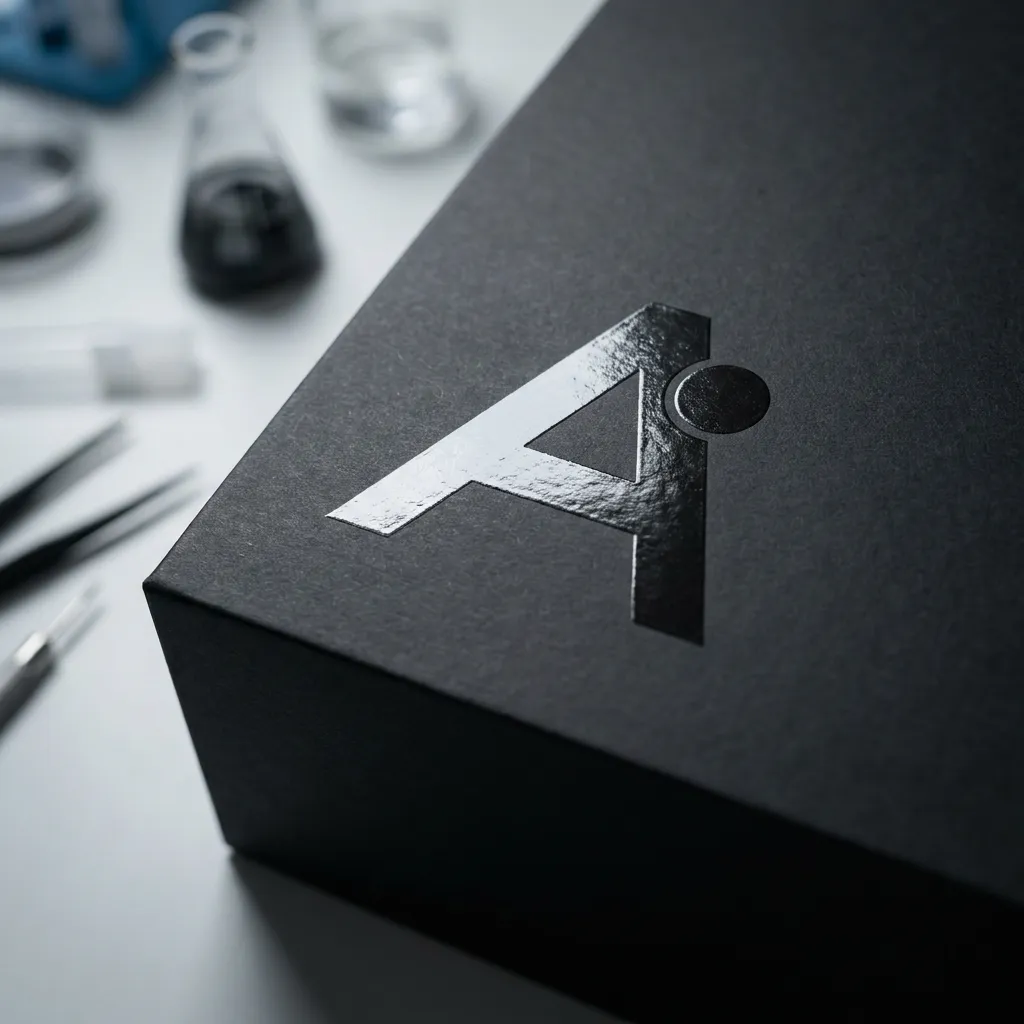
Spot UV (Selective Gloss)
Applied finish
A clear gloss coating is printed only where you want it, so artwork sits flat and one element catches the light on a matte field.
Read the finishing guide →
 02
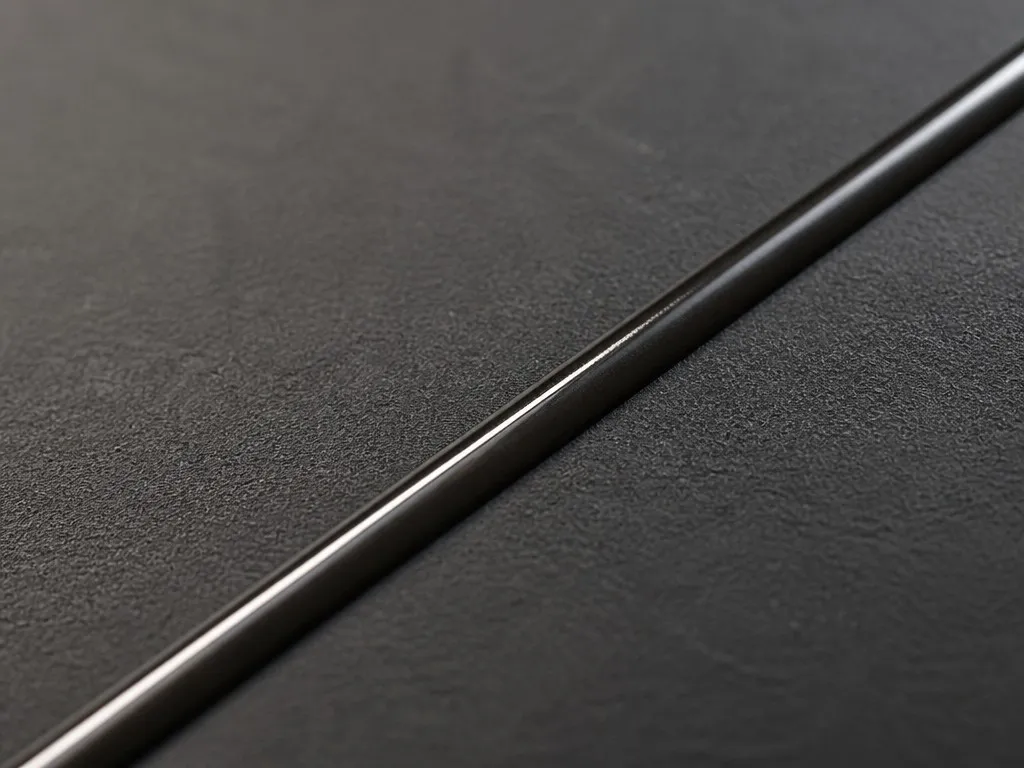
Raised (3D) UV
Applied finish
Stacked UV passes build a raised line you can trace with a fingertip while the surrounding surface keeps its matte film.
Read the finishing guide →
Full-Surface UV Coating
Applied finish
A flood UV coat seals the whole printed sheet in one pass, buying handling protection and an all-over gloss in the same motion.
Read the finishing guide →
Structures that take this finish
Premium Magnetic Rigid Box
The structure most often ordered with a matte film outside and spot UV on the logo.
Custom Phone Case Boxes
A small panel where one coated shape carries the shelf impression.
Custom Apparel Paper Bags
Large matte fields where a selective gloss reads without a full reflective film.
Spot UV vs gloss lamination, answered
Is spot UV the same as gloss lamination?
No. Spot UV is a clear coating applied selectively, in the shapes the artwork defines. Gloss lamination is a film bonded across the entire sheet with no pattern. The first is a design element inside the panel; the second is the panel surface.
Can spot UV go over gloss lamination?
It can, but the effect is largely wasted, because a gloss coating has no tonal difference to reveal against a gloss film. The technique depends on contrast, which is why it is specified over a matte film.
Which suits a panel built around a photograph?
Gloss lamination, because a uniform film supports continuous tone and protects the whole panel. Spot UV is better used on a mark outside the photograph, where a dull field already exists.
Does spot UV protect the box?
Only the area it covers, and as a surface effect rather than a protective layer. If the requirement is durability across the panel, the film choice does that work.
Which one costs more?
Each is quoted from drivers rather than from a rate. A selective gloss carries tooling, make-ready and registration tolerance while its coating scales with the covered area; a film carries less preparation but covers the whole sheet.
One surface, one decision
Send us the artwork — we will tell you whether it needs a film, a coating, or both
Structure, board, finish and DDP freight in one landed quote. If a panel is better filmed than coated, the quote will say so.
Keep reading
Matte vs Gloss Lamination: Two Films, Two Signals
The base film decision that makes spot UV visible in the first place.
Soft Touch vs Matte Lamination
The tactile variant of the same contrast trick.
The Finishes Lab
BrandPackagingLab — Lab Engineering Desk. Finishing notes written from the production floor: what each process does to a surface, what it costs, and where it stops working.
Standard definitions: TAPPI T-811 · ISTA series (public standards). Material and finish options follow the published master data for each structure.